When to Call a Septic Pumping Company
For homeowners who rely on a septic system rather than a municipal sewer connection, regular maintenance is essential. A septic system handles wastewater every day, separating solids from liquids and allowing treated wastewater to move through the system. Without proper care, accumulated solids can eventually interfere with normal operation.
Knowing when to call a septic pumping company can help prevent unpleasant backups, plumbing problems, and expensive repairs. While pumping schedules vary, homeowners should understand the factors that affect septic maintenance and recognize warning signs that should not be ignored. Regular attention can help extend the life of the system while protecting the home and surrounding property.
According to IBISWorld, the septic, drain, and sewer cleaning services industry grew by approximately 13.4% in 2022, reflecting continued demand for services that help maintain wastewater and drainage systems. For homeowners with septic systems, professional maintenance remains an important part of protecting a major household investment.
How Often Should You Pump Your Septic Tank?
There is no single pumping schedule that applies to every home. The frequency depends on several factors, including the size of the septic tank, the number of people in the household, and the amount of wastewater produced each day.
A larger household generally produces more wastewater and sends more solid material into the septic tank. As solids accumulate, they form layers that must eventually be removed. If too much sludge and scum build up, there may not be enough room for wastewater to separate properly.
Many homeowners schedule regular service every few years, but the appropriate timing can vary. A septic pumping company can inspect the system and recommend a maintenance schedule based on the property's specific needs.
Household habits can also influence pumping frequency. Frequent laundry, long showers, and excessive water use increase the amount of wastewater entering the tank. Flushing inappropriate materials can create additional problems and contribute to blockages or excessive buildup.
Items such as wipes, paper towels, feminine hygiene products, and other non-biodegradable materials should generally stay out of the toilet. Even products marketed as flushable may not break down as easily as expected within a septic system.
What Are the Signs Your Septic Tank Needs Pumping?
A septic system often provides warning signs when something is wrong. Recognizing those signs early can give homeowners an opportunity to contact a
septic pumping company before the situation becomes more serious.
Slow drains are one common warning sign. A single slow drain may indicate a localized plumbing clog, but multiple slow drains throughout the home can suggest a larger issue. Toilets that flush slowly or sinks and showers that drain poorly may indicate that the septic system needs attention.
Unpleasant odors are another concern. Sewage smells inside or outside the home should not be ignored. These odors may indicate a problem with the plumbing, septic tank, or drain field.
Sewage backups represent a more urgent warning. Wastewater backing up into toilets, tubs, or sinks can create an unhealthy and unpleasant situation. Homeowners should seek professional assistance promptly rather than attempting to solve a significant septic backup without proper equipment or experience.
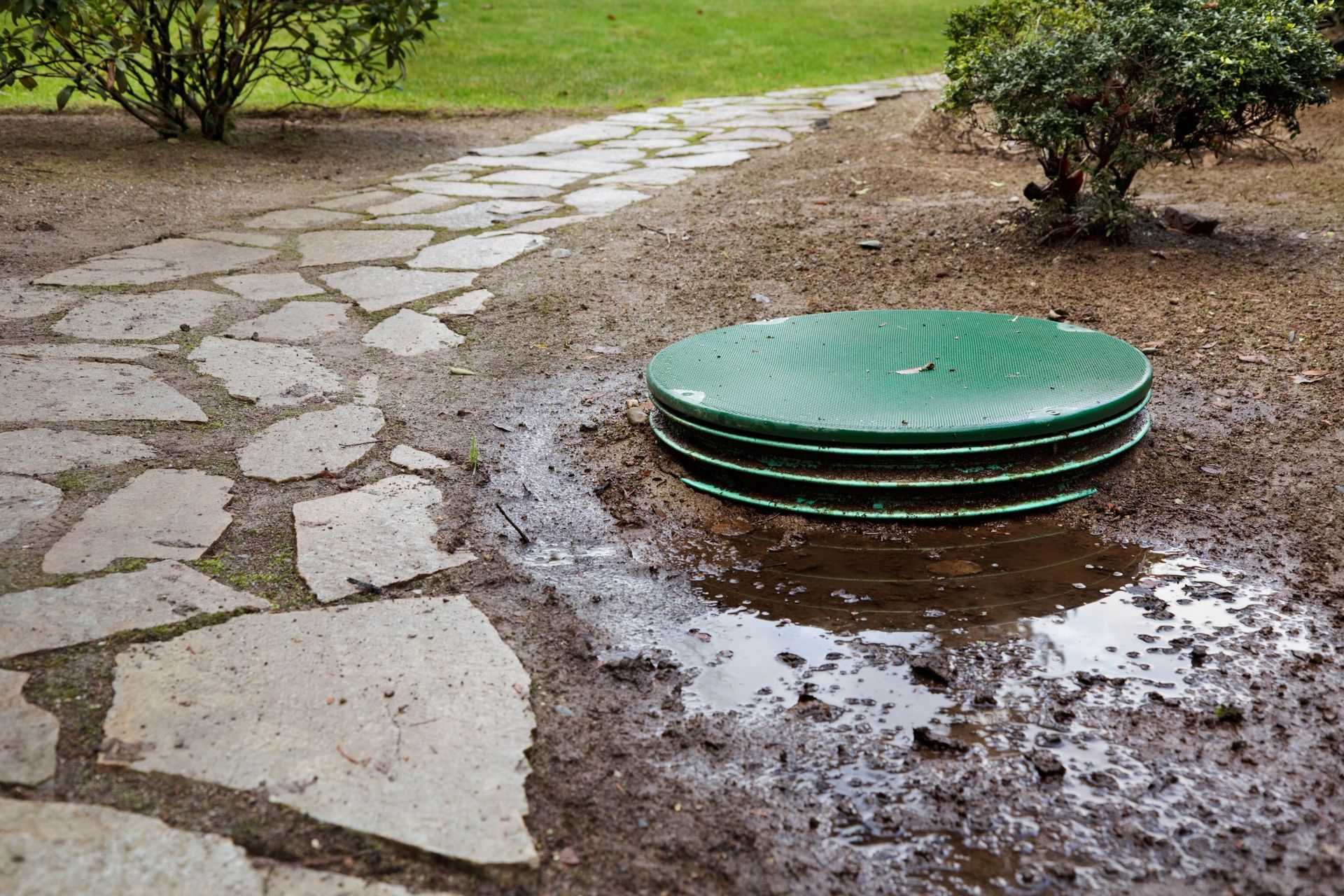
Standing water or unusually wet areas around the septic system can also indicate trouble. If wastewater is not moving through the system correctly, moisture may accumulate in areas where it normally would not.
Changes in the lawn may provide additional clues. An unusually lush or rapidly growing patch of grass near the drain field can sometimes indicate excess moisture or wastewater reaching the surface.
Pest activity and unusual insect problems may also accompany sewage-related issues. Flies and other pests can be attracted to areas where wastewater or sewage is exposed. Although pests alone do not necessarily mean the tank requires pumping, they can be another reason to investigate unusual conditions around the property.
What Are the Risks of Delaying Septic Tank Pumping?
Delaying maintenance can increase the likelihood of serious septic problems. As solid waste accumulates inside the tank, it can reduce the available space for wastewater. Eventually, solids may interfere with the system's ability to separate and process waste effectively.
One possible consequence is a sewage backup inside the home. Wastewater may return through drains, toilets, or other plumbing fixtures when it cannot move through the system properly. Cleaning up a sewage backup can be difficult and may require professional restoration in addition to septic service.
Excess solids can also move beyond the septic tank and create problems in other components of the system. This can affect the drain field, which plays an important role in filtering and dispersing wastewater.
Drain field problems can be expensive and disruptive. Repairing or replacing damaged septic components may require excavation and significant work on the property. Scheduling routine service with a septic pumping company may help homeowners identify maintenance needs before problems reach that point.
Environmental concerns are another reason to avoid neglecting septic maintenance. A malfunctioning system can potentially release untreated or poorly treated wastewater into the surrounding environment. This may affect soil and nearby water sources.
How Can You Choose a Reliable Septic Pumping Company?
Choosing the right service provider is important because septic systems require specialized knowledge and equipment. Homeowners should look for a septic pumping company with a solid reputation and experience working with residential systems.
Researching local companies can provide useful information before scheduling service. Online reviews may offer insight into customer experiences, including communication, punctuality, and professionalism. Recommendations from neighbors, friends, or family members can also be helpful.
Homeowners should verify that a company meets applicable licensing, certification, and regulatory requirements. These requirements can vary by location, so choosing a provider that operates according to local standards is important.
Experience matters as well. An established company may be familiar with different types of septic systems and common problems affecting properties in the area. Local knowledge can be particularly valuable when soil conditions, property layouts, or regional regulations influence septic system maintenance.
It can also be helpful to ask what services the company provides. Some providers offer pumping along with inspections and assistance identifying potential septic concerns. Understanding what is included before scheduling an appointment can help homeowners know what to expect.
What Should You Expect During a Septic Pumping Visit?
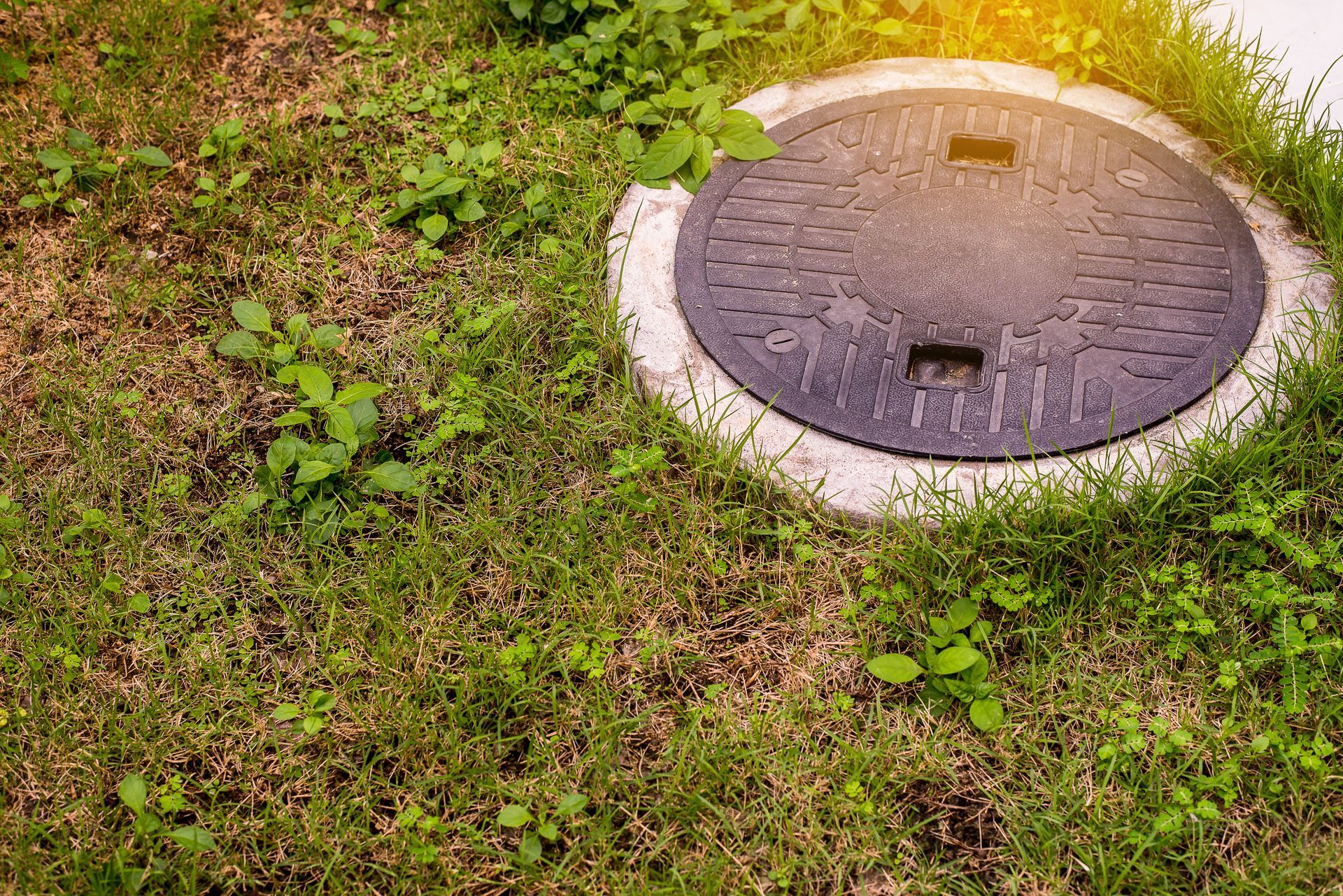
Preparing for a septic service appointment can make the process easier for both the homeowner and the technician. Before the visit, homeowners should make sure the septic tank is reasonably accessible.
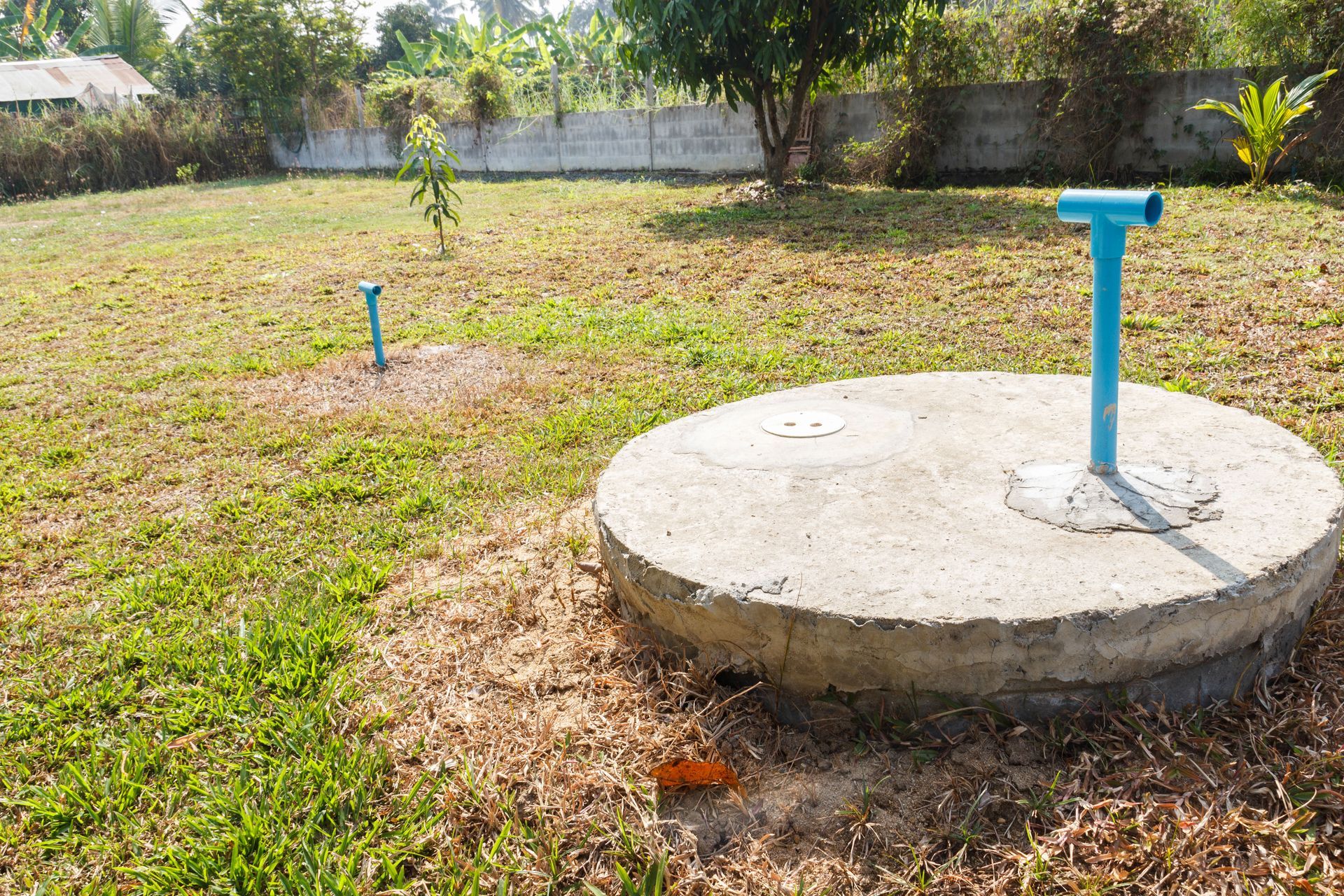
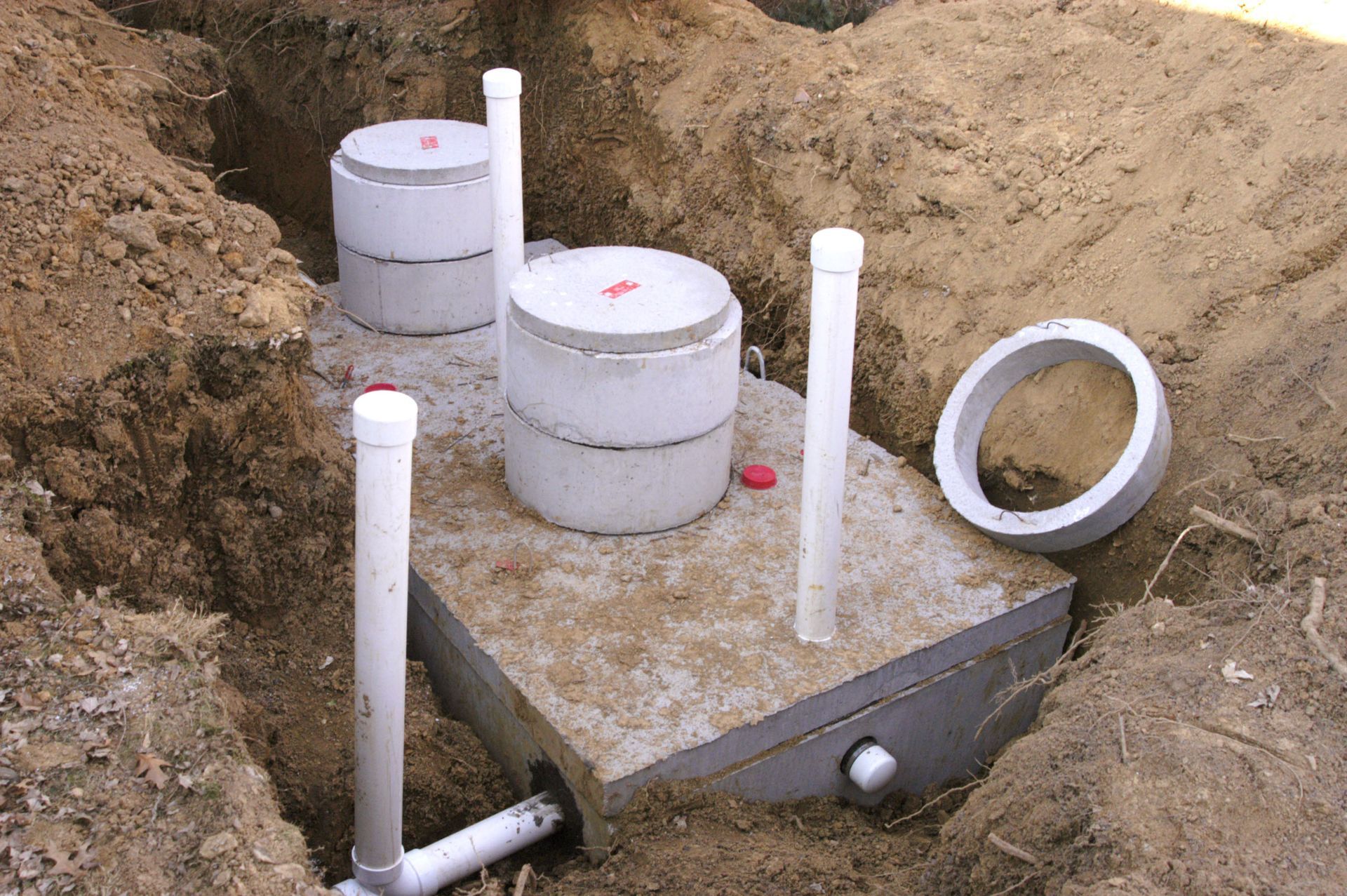
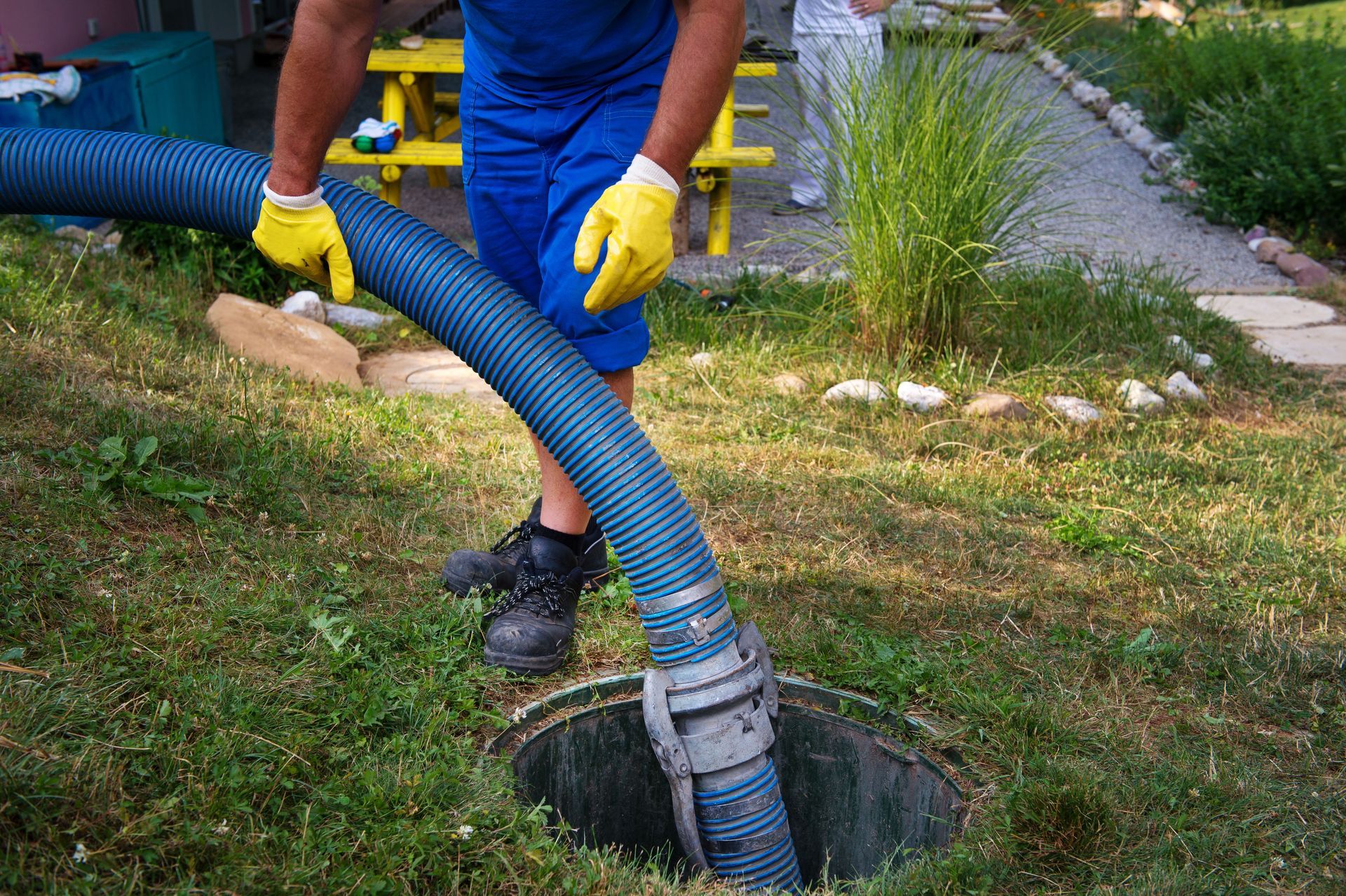
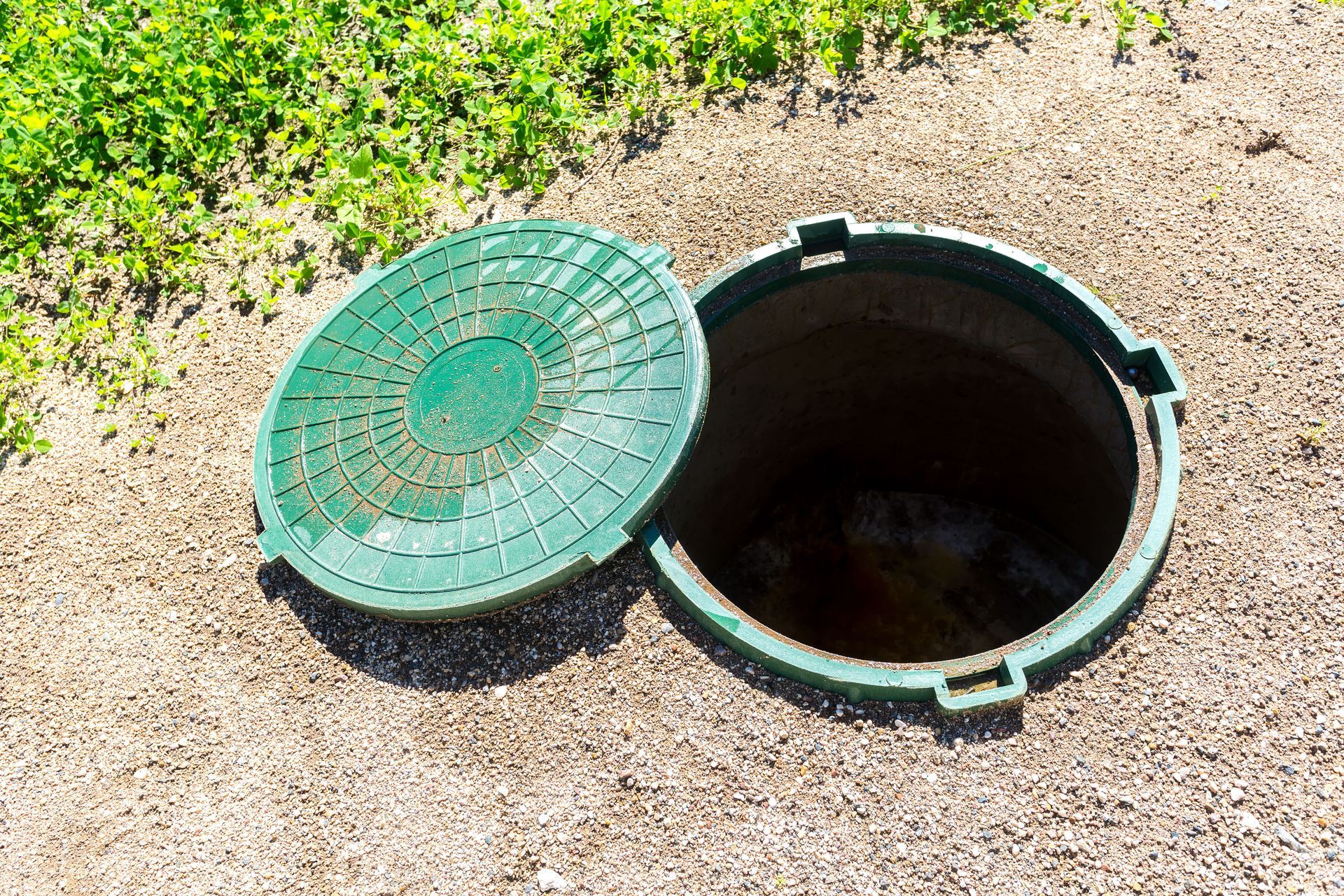
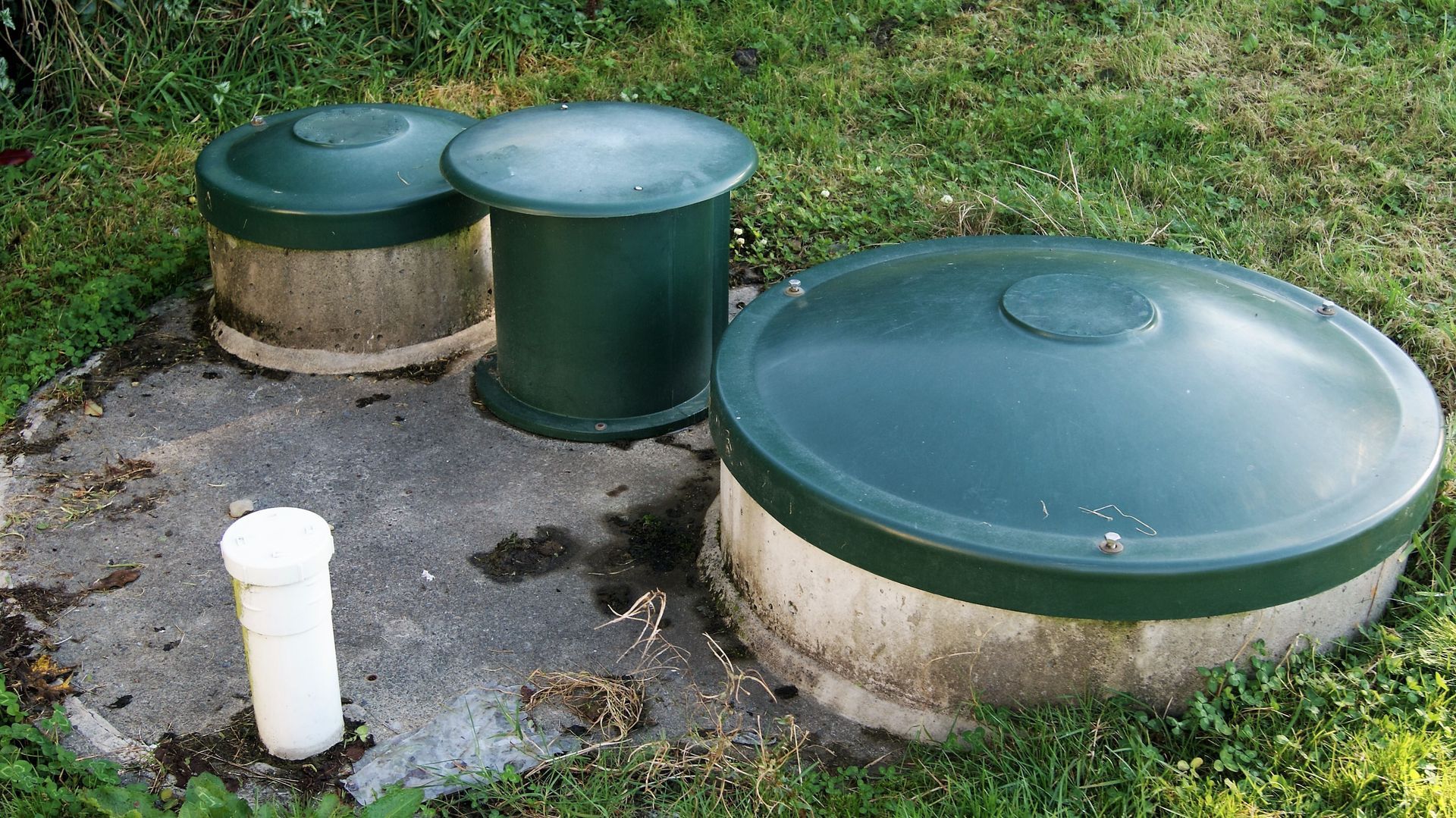
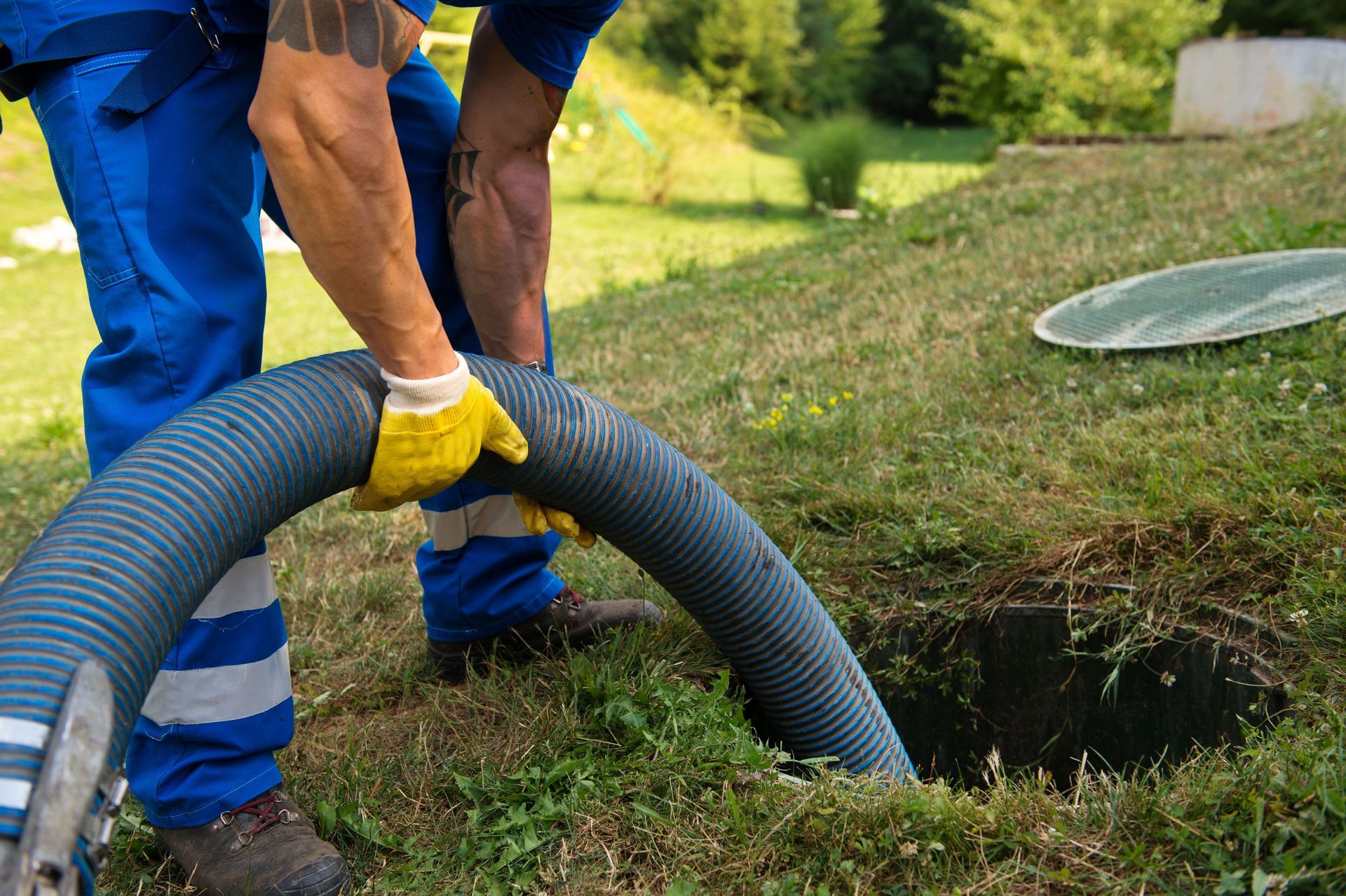
The technician will typically need access to the tank and may use specialized equipment to remove accumulated sludge and other waste. Depending on the property's layout, access to the tank lid or service area may need to be cleared.
During the appointment, the septic pumping company removes the accumulated contents that need to be pumped from the tank. The technician may also observe the system's general condition and identify visible concerns.
Homeowners can use the visit as an opportunity to ask questions. If there have been slow drains, unusual odors, backups, or wet areas in the yard, sharing that information can help the technician evaluate potential issues.
After pumping is complete, the service provider may recommend a future maintenance schedule. Keeping records of service dates can make it easier to monitor the system and avoid losing track of when maintenance was last performed.
Homeowners should also continue practicing habits that support septic system performance. Conserving water, avoiding inappropriate materials in drains and toilets, and addressing plumbing problems promptly can all reduce unnecessary stress on the system.
How Does Regular Septic Maintenance Help Protect Your System?
A septic system is easy to overlook when it is working properly, but regular maintenance can help keep it that way. Understanding pumping frequency, recognizing warning signs, and avoiding unnecessary delays can help homeowners reduce the risk of costly and disruptive problems.
Slow drains, sewage odors, standing water, and backups should all be taken seriously. While these signs do not always mean the septic tank is the source of the problem, they deserve prompt attention.
Working with a reliable septic pumping company and following an appropriate maintenance schedule can help protect the system and provide greater peace of mind. If you're looking for experienced septic services, reach out to the team at Bay State Sewage Disposal, LLC. Environmental Services Company today!






Share On: