The Importance of Septic Tank Inspection and Cleaning
Septic tanks serve as an essential component of a property's waste management infrastructure, processing and breaking down organic material from homes and businesses not connected to centralized sewer lines. Regular inspection and maintenance of these systems are paramount to ensure operational efficiency, prevent severe environmental hazards, and preserve overall property value. Neglecting routine care leads to health risks, regulatory violations, and exorbitant repair costs. Understanding how these waste systems function, recognizing failure risks, and maintaining proper upkeep schedules allows property owners to manage their infrastructure responsibly while safeguarding public health and local ecosystems.
Proper waste management relies heavily on consistent proactive care rather than reactive emergency repairs. Every household fixture that drains water contributes to the total volume processed by the underlying infrastructure. When systems are neglected, solids accumulate, pipes clog, and untreated effluent can surface, causing immediate hazards. By prioritizing routine maintenance, property owners prevent major structural failures, avoid environmental contamination, and extend the functional lifespan of their wastewater treatment infrastructure.
Understanding Septic Systems and Infrastructure Operations
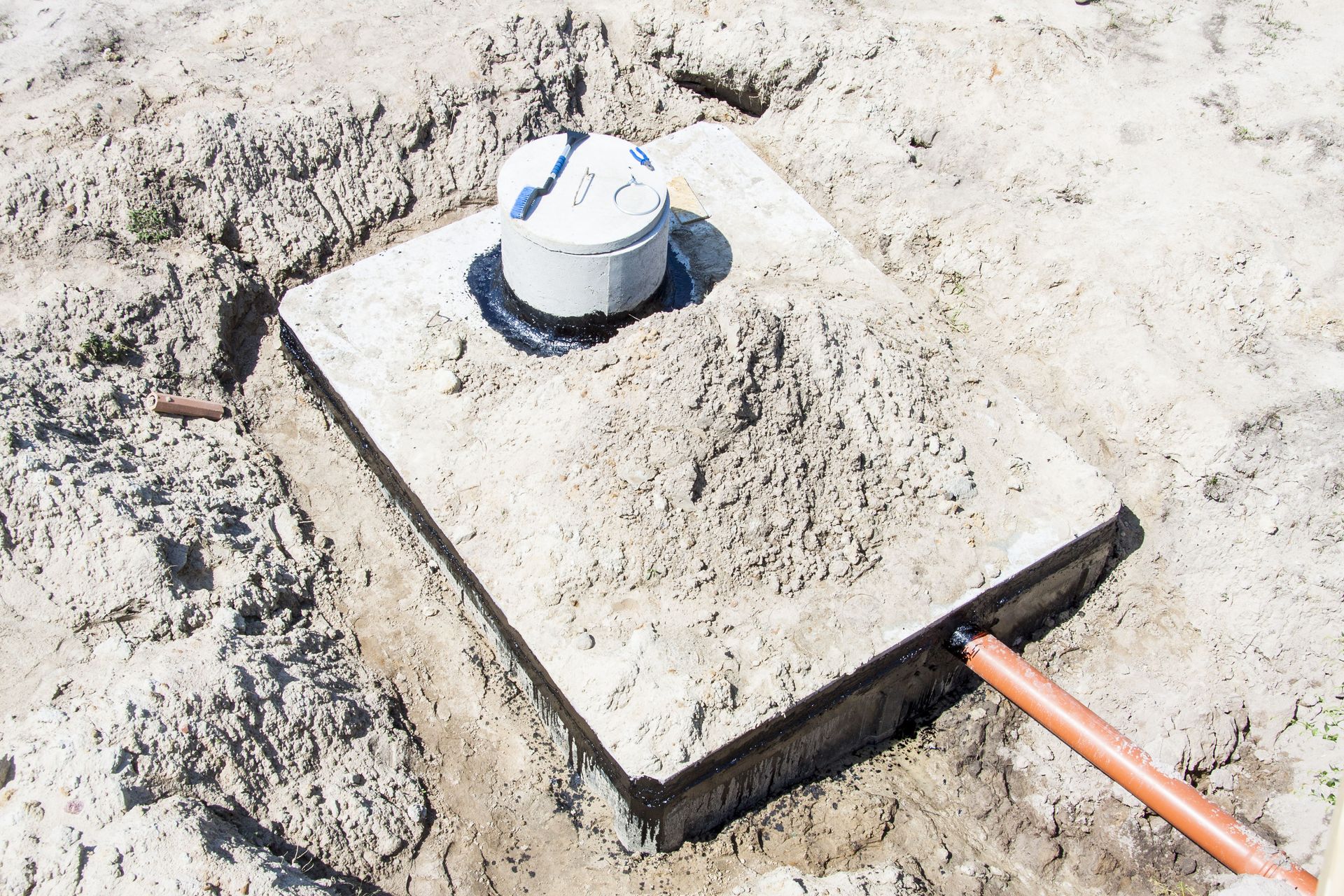
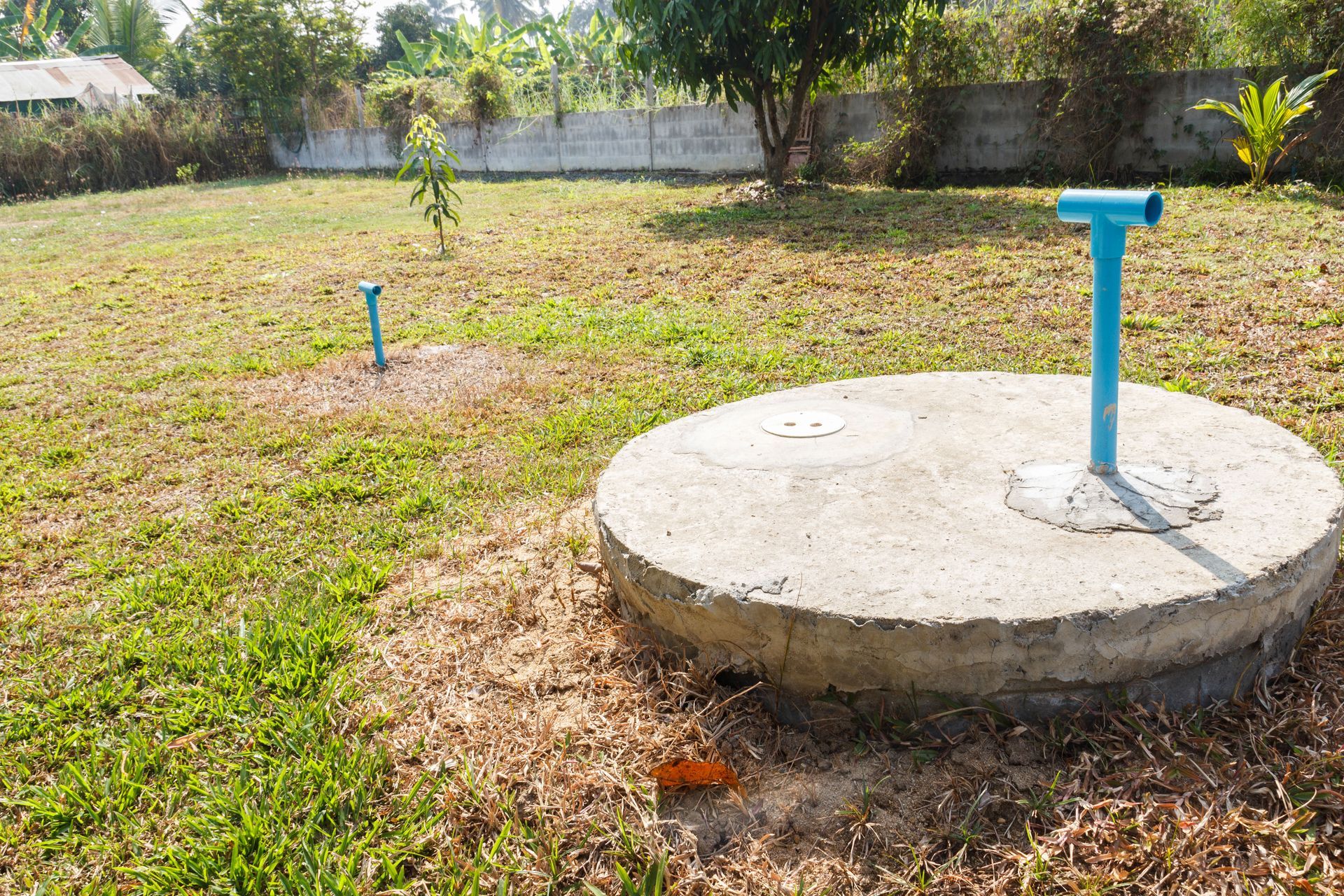
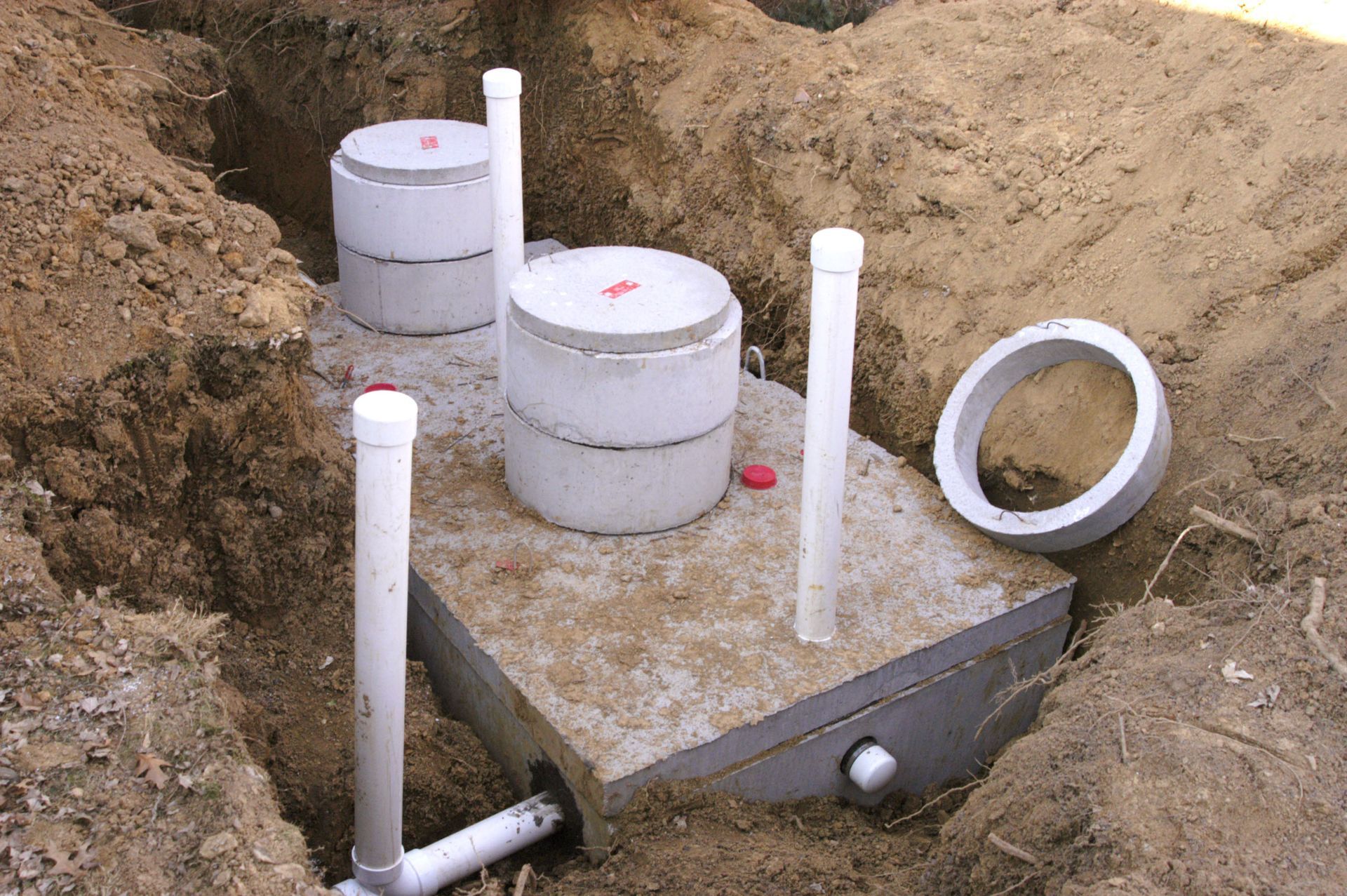
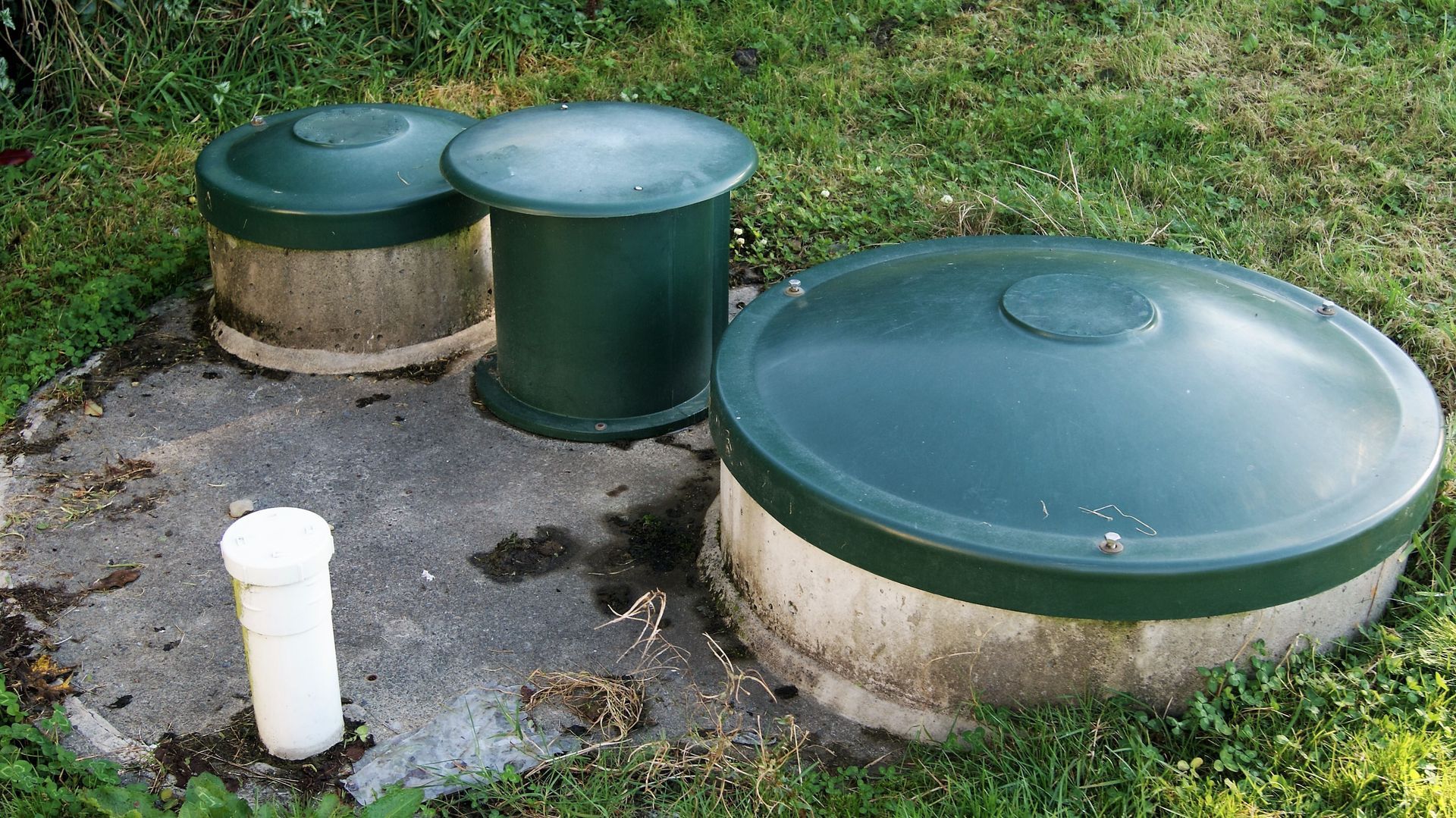
A standard waste treatment setup consists of two primary structural components: an underground watertight tank and a surrounding drain field. Solid waste enters the subterranean container, typically constructed from durable concrete, fiberglass, or polyethylene, where natural biological processes separate floating scum and settling sludge from liquid effluent. Gravity and natural bacterial action break down organic matter over time, allowing clarified liquid to flow into the absorption area. This natural percolation process filters remaining impurities through soil layers, rendering the wastewater safe before it re-enters local groundwater tables.
Different environmental conditions and soil compositions require specialized equipment and system designs. Conventional gravity-fed designs work exceptionally well in deep, permeable soil, whereas advanced aerobic treatment units, mound designs, or sand filters are necessary in areas with high water tables or dense clay ground. Regardless of the specific installation type, utilizing a professional septic tank service ensures that all mechanical and biological components are evaluated accurately. Specialized monitoring guarantees that effluent flows freely, preventing premature soil clogging in the drain field.
Regulatory frameworks enforced by municipal health departments and environmental protection agencies dictate strict installation and maintenance protocols. Proper oversight prevents untreated pathogens, nitrogen, and phosphorus from entering nearby freshwater streams, residential wells, and drinking water reservoirs. Adhering to local health regulations preserves surrounding natural habitats while insulating property owners from steep municipal fines. Establishing a relationship with a certified septic tank service ensures ongoing compliance with all state and local environmental protection codes.
Recognizing the Risks of Neglecting System Upkeep
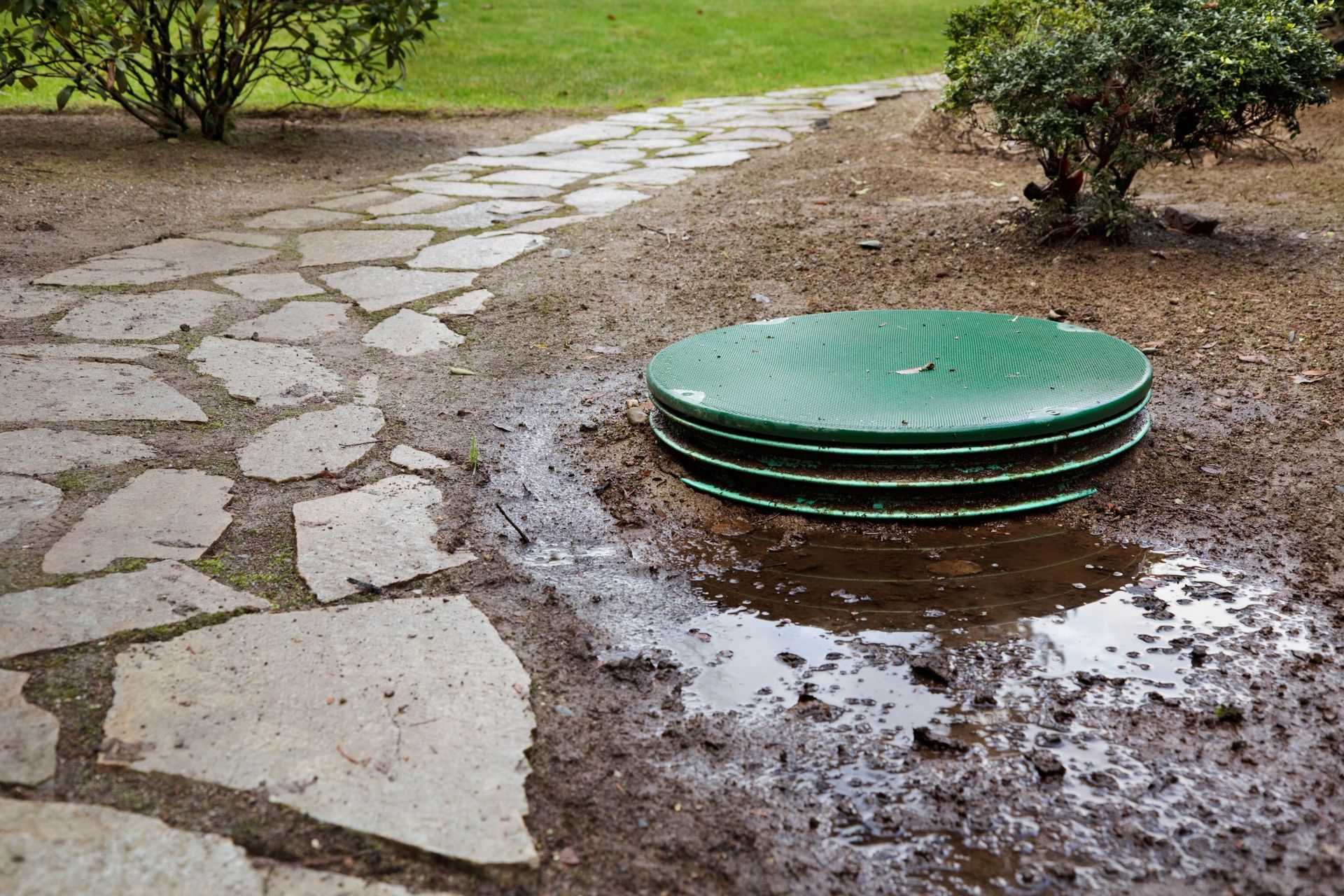
Ignoring ongoing system maintenance exposes property owners and surrounding communities to severe health and safety hazards. When sludge builds up beyond capacity, untreated sewage surfaces onto lawns or backs up into residential plumbing fixtures. This hazardous material contains harmful pathogens, parasites, and bacteria that pose immediate infectious disease risks to humans and pets. Proactive system evaluations stop sewage backups before raw effluent creates toxic living conditions or permanent biohazardous contamination on the property.
Environmental degradation accelerates rapidly when malfunctioning wastewater infrastructure leaks excess nutrients into local ecosystems. High concentrations of nitrates and phosphates escaping from broken tanks or oversaturated drain fields trigger destructive algal blooms in nearby ponds and lakes. These blooms deplete oxygen levels in aquatic environments, causing mass fish kills and destroying fragile aquatic habitats. According to BobVila.com, septic tanks should be inspected and cleaned every three to five years.
Beyond ecological damage, severe financial and legal ramifications stem from property neglect. Replacing a completely ruined absorption field or cracked concrete container costs tens of thousands of dollars, far exceeding the small ongoing investment required for routine maintenance. Furthermore, failing systems reduce home market values significantly, as prospective buyers routinely demand massive price concessions or full system replacements prior to closing sales transactions.
Executing Professional Septic Tank Cleaning Procedures
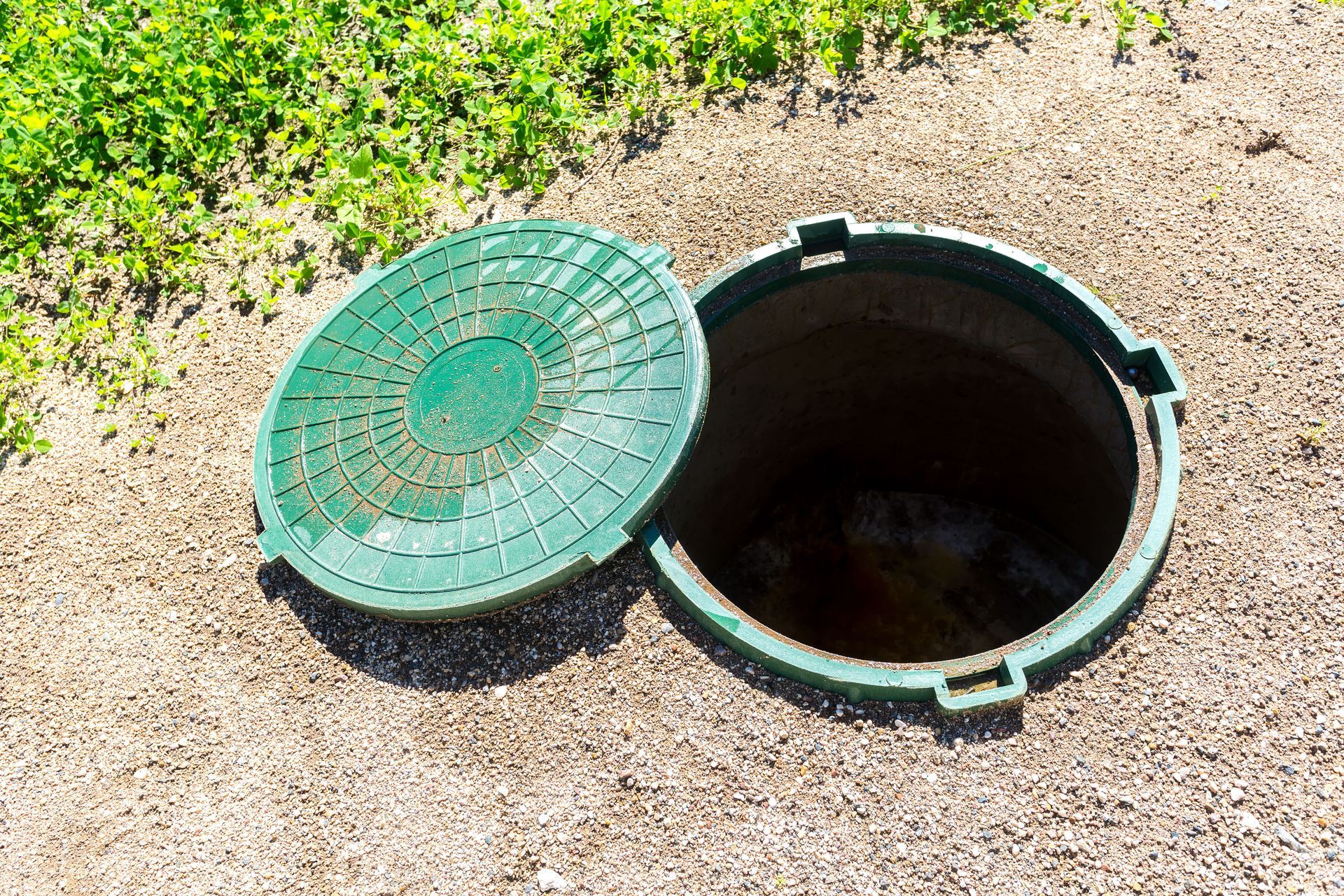
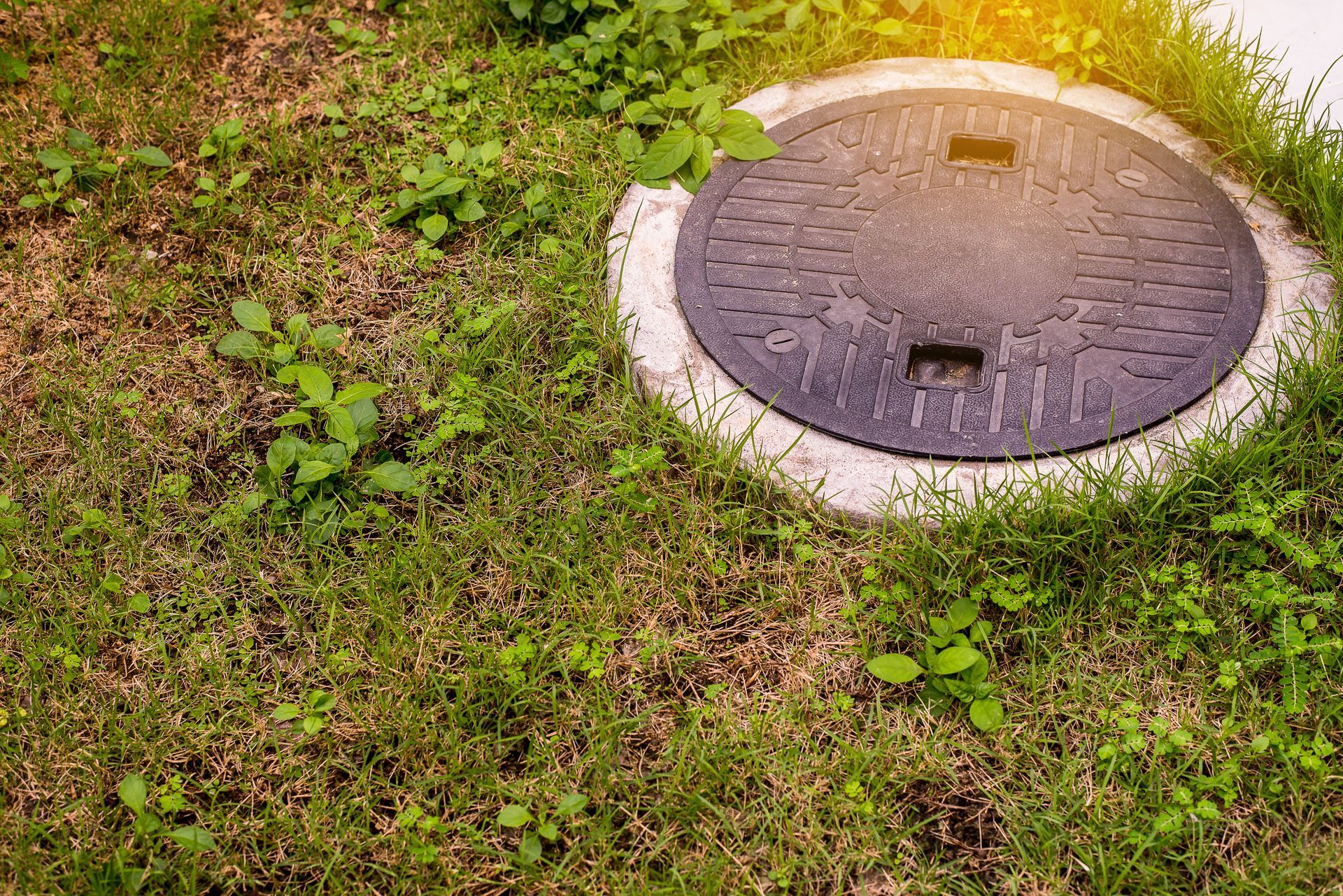
Thorough system cleaning requires a systematic approach executed by trained professionals utilizing heavy-duty industrial machinery. Technicians begin by locating subterranean access covers, clearing surface debris, and carefully opening the tank to inspect internal liquid levels. Specialized measuring tools, such as sludge judges, determine the exact thickness of floating scum and settled solids. This initial assessment dictates the specific pumping techniques required to clear the chamber safely without damaging internal baffles or inlet tees.
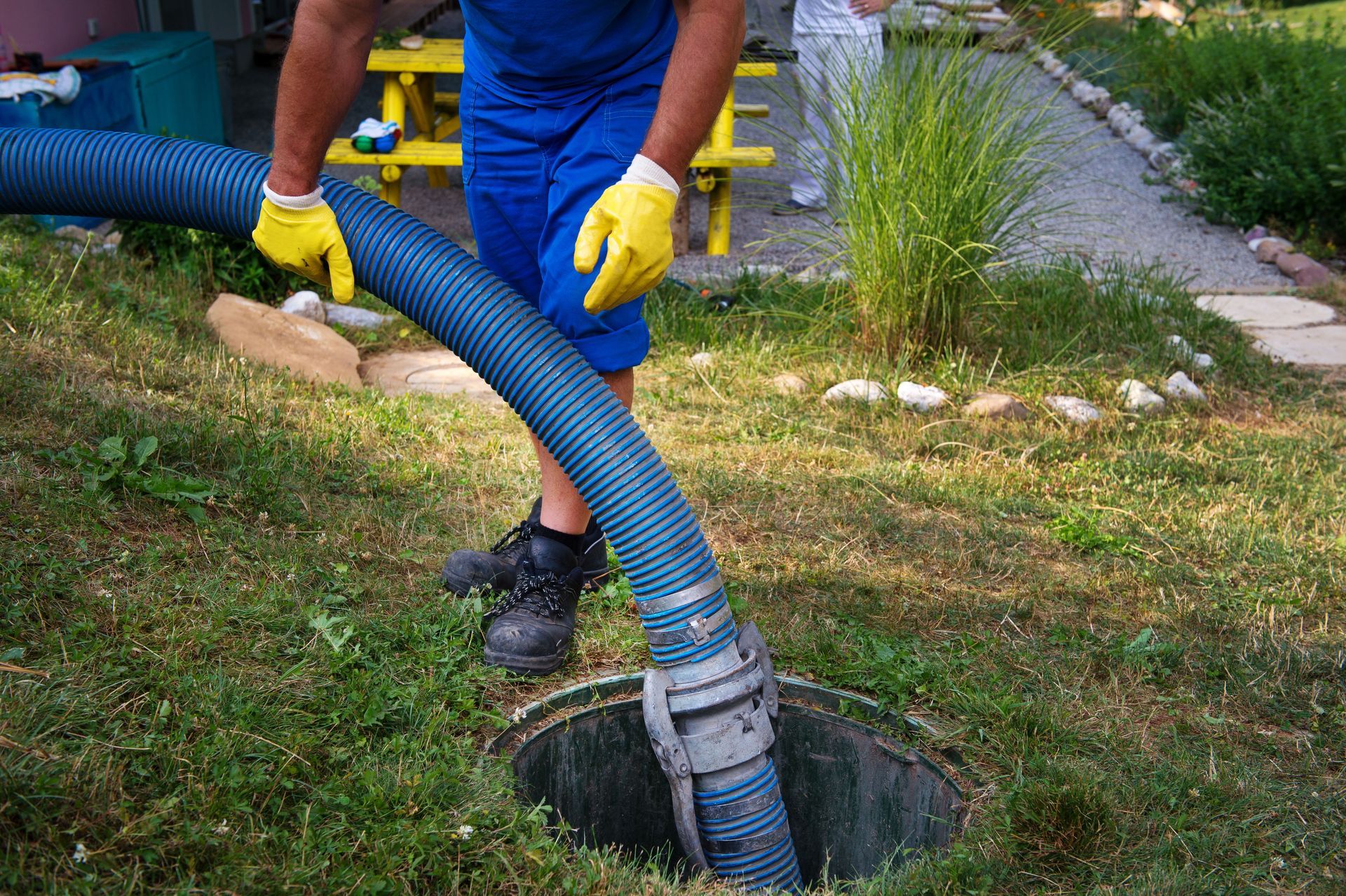
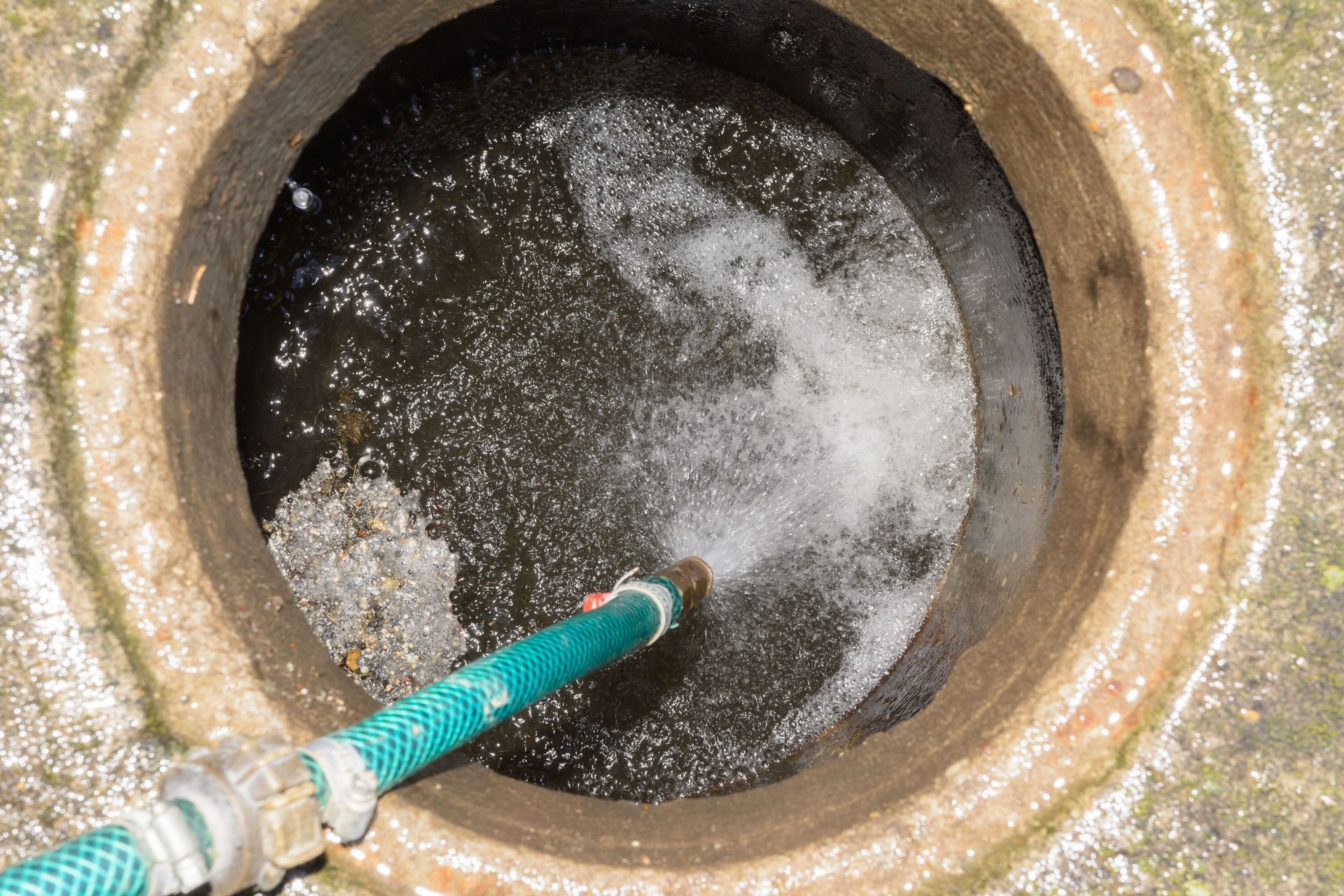
Once evaluated, high-powered vacuum trucks remove settled solids, floating scum, and liquid effluent simultaneously. Technicians utilize back-flushing techniques or mechanical agitators to break up hardened sludge layers at the bottom of the vessel, ensuring complete waste extraction. During this process, trained specialists inspect interior structural walls, tees, and baffle walls for cracks, root intrusion, or concrete corrosion. Engaging a certified septic tank service guarantees that waste materials are transported legally and disposed of at approved municipal treatment facilities.
Safety protocols remain critical throughout the entire cleaning process due to dangerous gases generated by anaerobic decomposition. Methane, hydrogen sulfide, and carbon dioxide accumulate inside subterranean tanks, creating lethal, oxygen-deficient environments. Professional technicians utilize personal protective equipment, specialized ventilation fans, and gas detectors during servicing. Adhering to strict safety guidelines prevents accidental toxic gas inhalation, physical injury, and chemical exposure during routine maintenance operations.
Evaluating Professional Service Providers for Long-Term Care
Selecting a qualified service provider requires careful evaluation of industry credentials, licensing, and practical experience. Reputable contractors hold valid state licenses, carry comprehensive liability insurance, and maintain certifications from environmental health agencies. Property owners should request detailed written estimates that break down pumping fees, disposal costs, and inspection charges before authorizing work. Working with a verified septic tank service provides peace of mind that all maintenance activities adhere strictly to industry standards.
It is vital to avoid service providers exhibiting common industry red flags, such as hidden disposal fees, unverified credentials, or high-pressure sales tactics. Unlicensed contractors often lack adequate insurance coverage and may illegally discharge collected waste, leaving property owners liable for environmental violation penalties. Examining client reviews, requesting local references, and confirming license validity through state regulatory databases ensures reliable workmanship and a transparent pricing structure.
Establishing an ongoing maintenance contract with a dedicated provider streamlines property management responsibility. Scheduled service agreements ensure timely evaluations, preventing unexpected system failures and emergency call-out fees. Professional technicians keep detailed service histories of your system, tracking sludge accumulation rates and identifying minor wear before structural failures occur. Investing in a trusted septic tank service guarantees optimal long-term system performance and protects overall real estate asset value.
Adopting Sustainable Management and Smart Infrastructure Innovations
Emerging technology is transforming modern wastewater management through real-time monitoring and advanced automated diagnostics. Telemetric smart sensors installed inside underground tanks continuously track liquid levels, scum accumulation, and pump performance, sending instant alerts to homeowners' smartphones when maintenance is required. Early warning systems eliminate guesswork, allowing property owners to schedule servicing before dangerous sewage overflows or system backups take place.
Eco-friendly treatment solutions are rapidly transforming decentralized wastewater management practices. Modern biological additives, advanced biofilters, and constructed wetlands utilize natural filtration mechanisms to process effluent more effectively while lowering environmental footprints. Modern aerobic treatment units introduce oxygen to accelerate bacterial digestion, producing significantly cleaner effluent before discharge into local soils. These sustainable innovations reduce nutrient loading in sensitive watersheds while optimizing overall treatment performance.
Future environmental legislation will continue raising efficiency standards and tightening discharge regulations for residential systems. Staying informed about updated municipal codes ensures that property owners remain compliant as environmental standards evolve. Integrating modern smart technologies and scheduling routine care through a professional septic tank service safeguards long-term system health. For more information about the services that we offer, reach out to our incredible team at Bay State Sewage Disposal, LLC. Environmental Services Company today!







Share On: