Does Your Septic System Need Service? Find Out Today
When you flush a toilet, wash a load of laundry, or run the dishwasher, you likely do not give a second thought to where that wastewater goes. For homeowners connected to municipal sewer lines, this out-of-sight, out-of-mind approach is standard. However, if your property relies on a private wastewater treatment setup, ignoring what happens underground can lead to catastrophic messes and massive financial burdens. Your waste management infrastructure works tirelessly around the clock to safely process and disperse effluent, protecting your home and the local groundwater.
Eventually, every homeowner with a private setup will have to ask themselves: is it time for professional septic system service? Recognizing the signs of an overloaded or failing tank is critical to protecting your property, your family’s health, and the environment. Here at Bay State Sewage Disposal, LLC. Environmental Services Company, we help homeowners navigate the complexities of wastewater management every day. In this comprehensive guide, we will explore maintaining your setup, recognizing early warning signs, and knowing exactly when to call in the professionals for help.
Understanding Your Waste Management Infrastructure
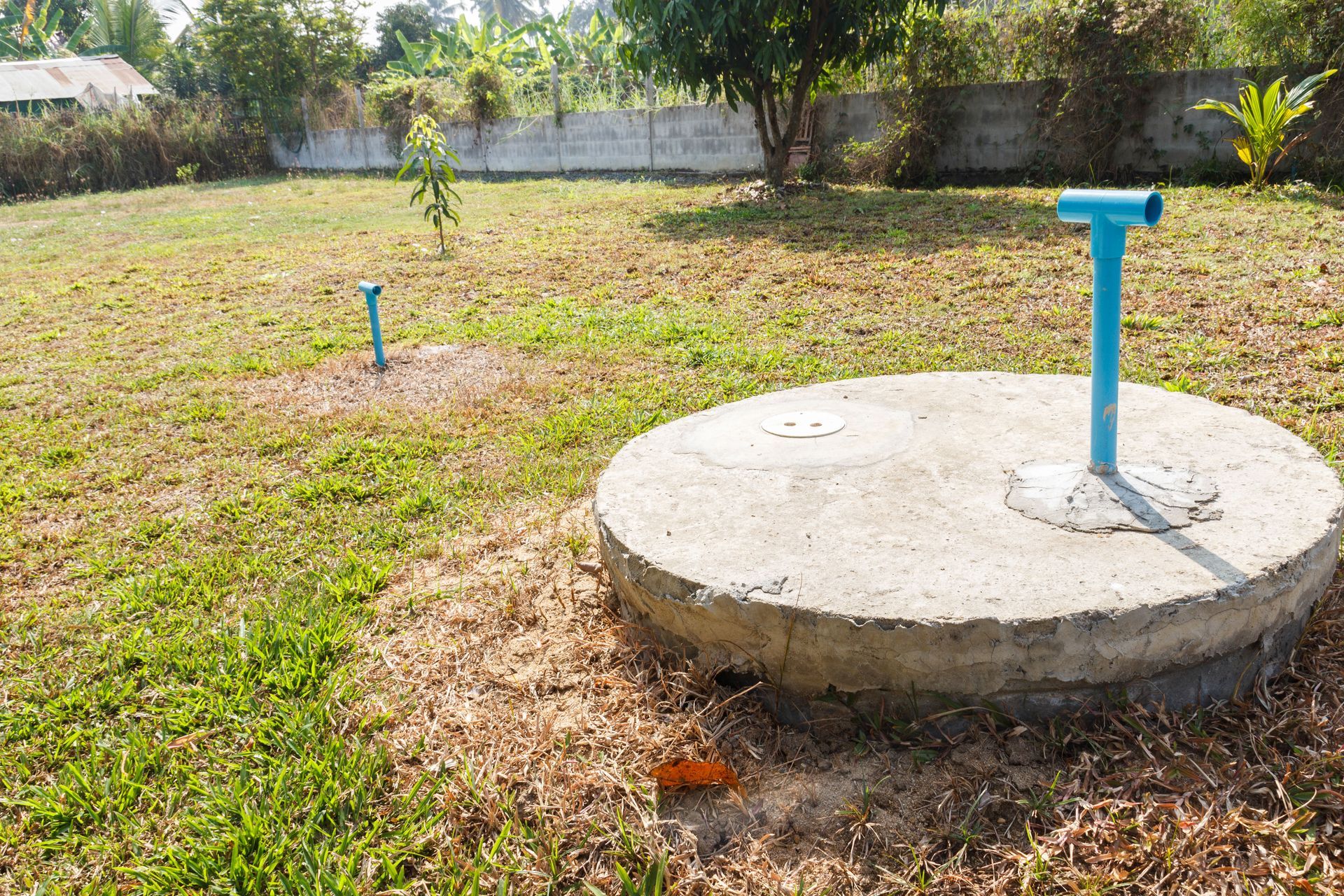
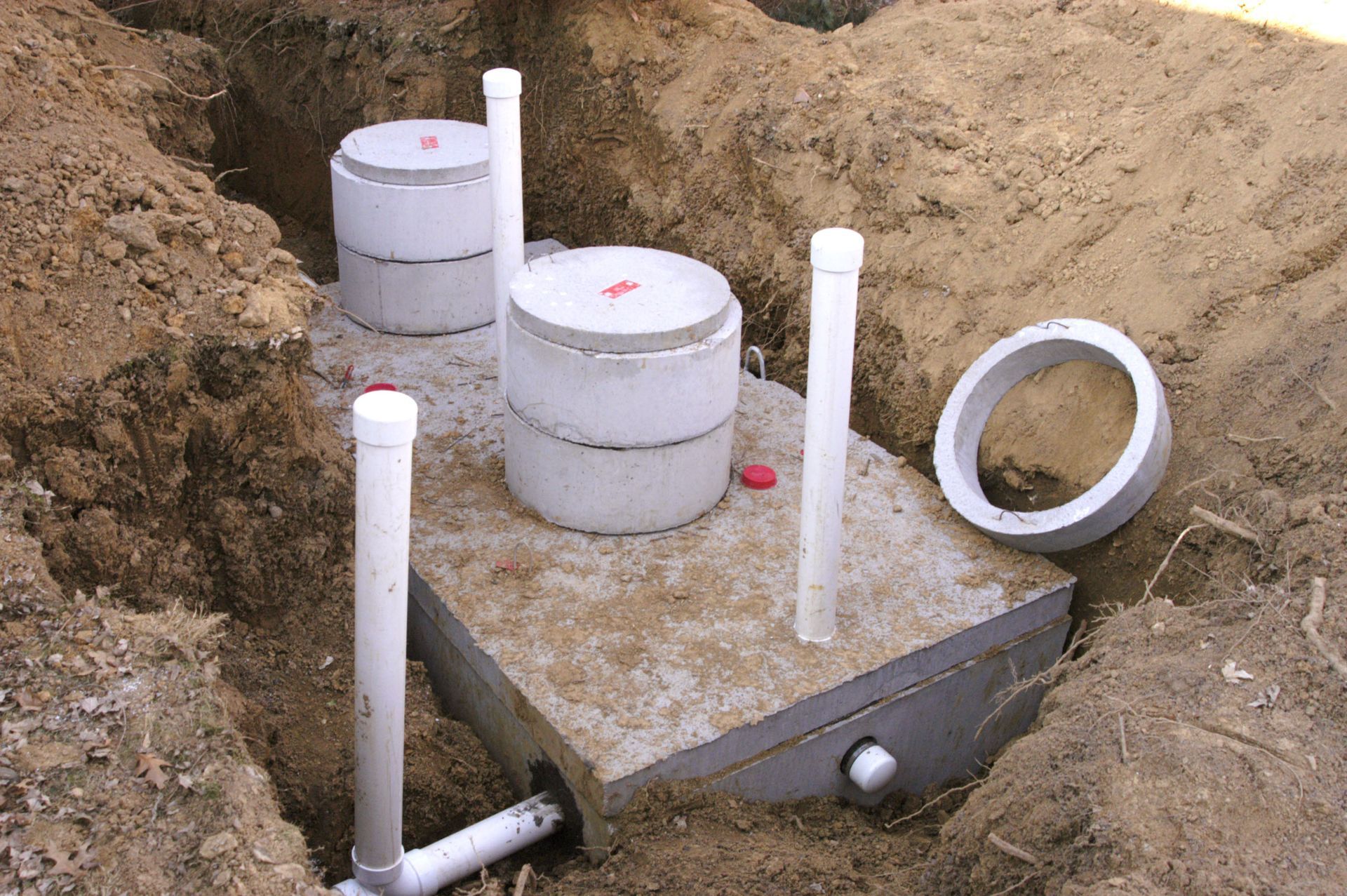
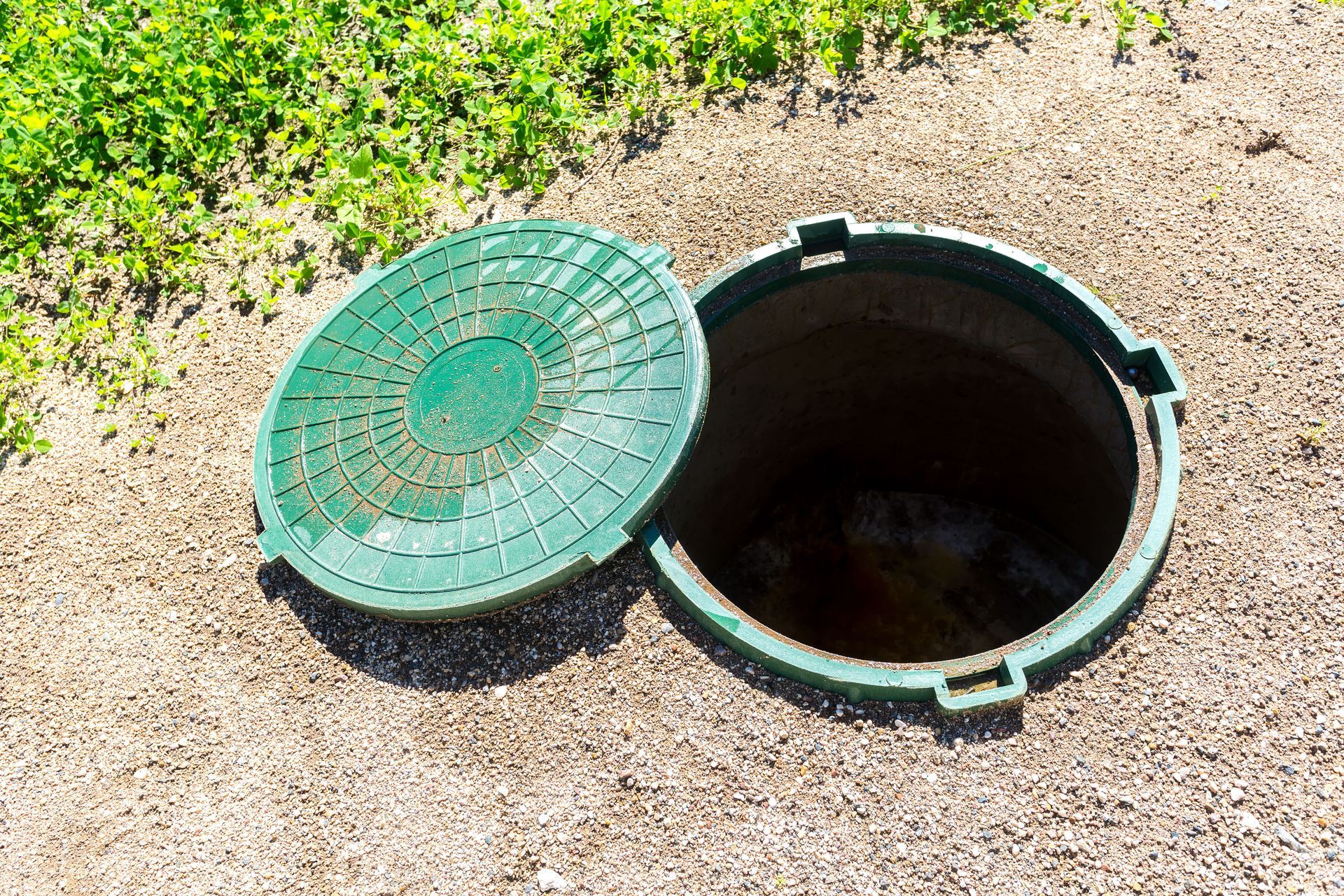
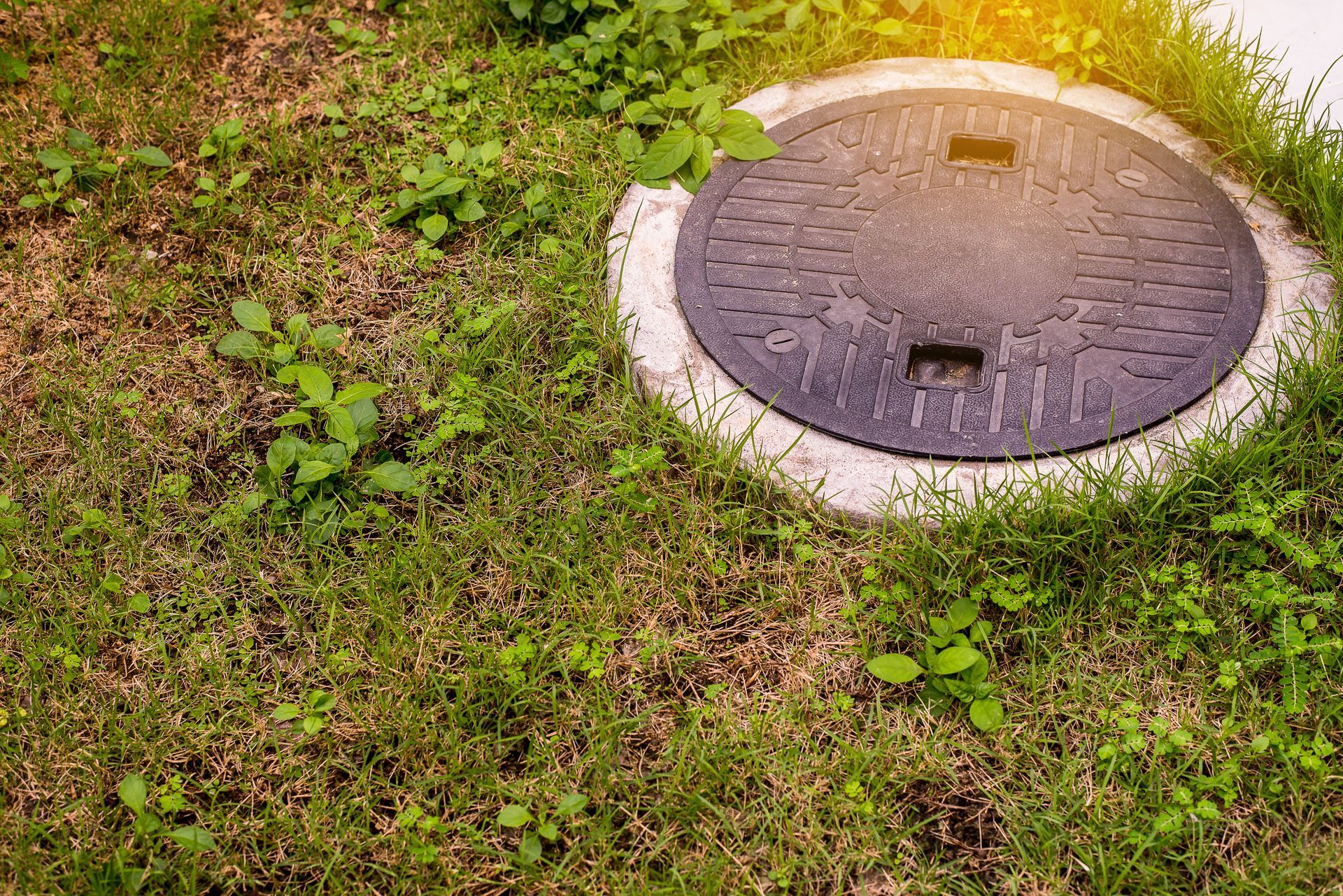
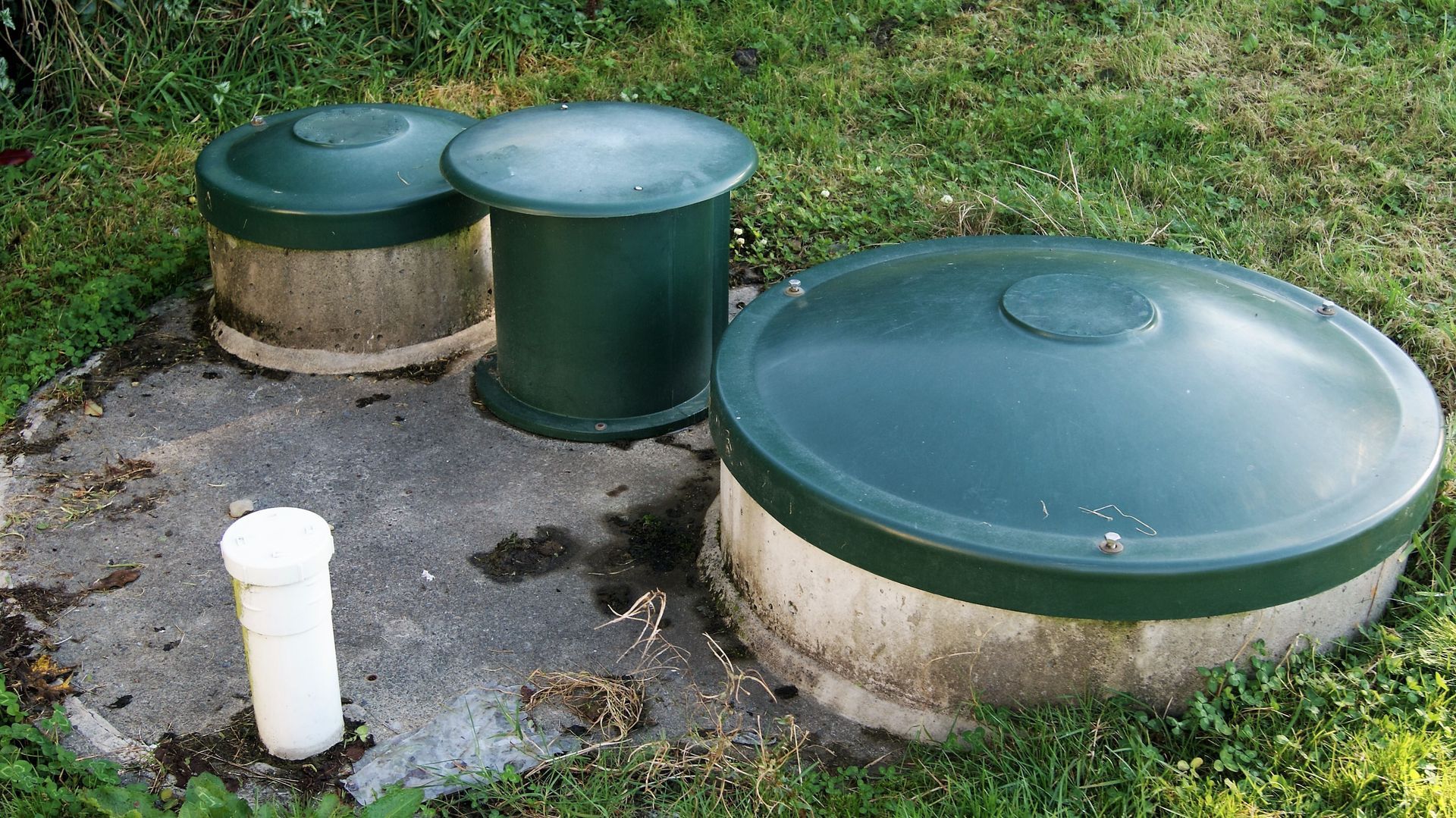
Before discussing the signs indicating a need for professional septic system service, it helps to understand how your setup functions on a daily basis. Most traditional residential setups consist of two primary components: a watertight underground tank and a soil absorption field, which is commonly known as a drain field or leach field.
When wastewater leaves your home, it flows through your main drainage pipe directly into the tank. Here, natural bacterial decomposition takes over. The tank holds the wastewater long enough for solid waste to settle to the very bottom as a dense sludge. Lighter materials, such as fats, oils, and greases, float to the top to create a layer of scum. The relatively clear liquid left in the middle, known as effluent, then exits the tank and flows out into the drain field.
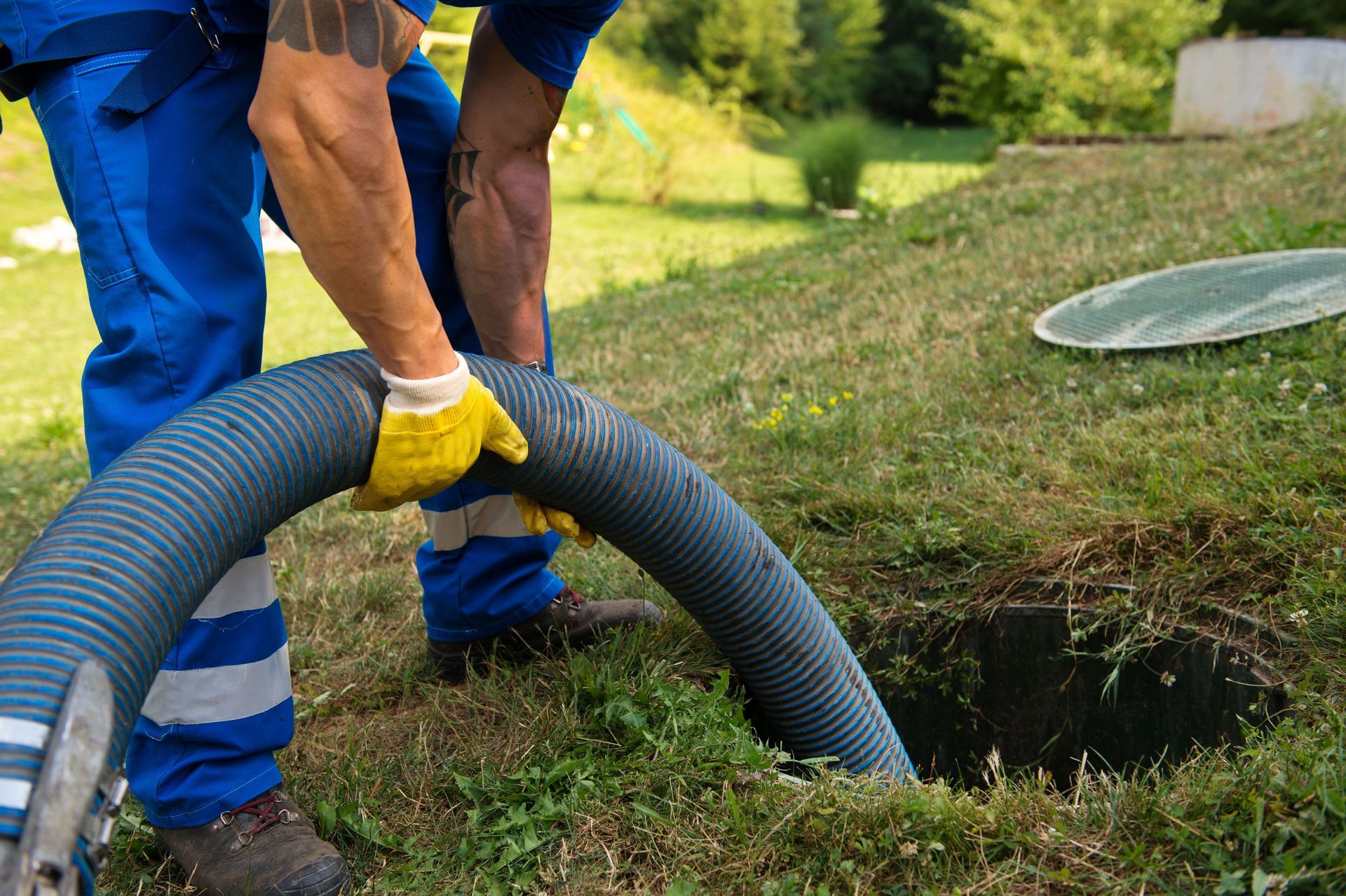
The drain field is a shallow excavation where pre-treated wastewater slowly filters through porous soil, naturally removing harmful bacteria, viruses, and nutrients. While this biological process is highly efficient, the tank itself does not have an infinite capacity. Over time, sludge and scum accumulate and must be physically removed by a trained professional. If left unchecked, these solid layers will overflow into the drain field, clogging the soil and causing the entire process to fail.
Recognizing Common Warning Signs of Imminent Failure
Knowing when to call for septic system service can be the difference between a simple, affordable maintenance visit and a complete, expensive system replacement. Since the tank and drain field are buried beneath your lawn, early symptoms of distress are often subtle. However, paying close attention to the following warning signs can save you thousands of dollars and incredible frustration.
Noticing Slow Draining Sinks and Fixtures
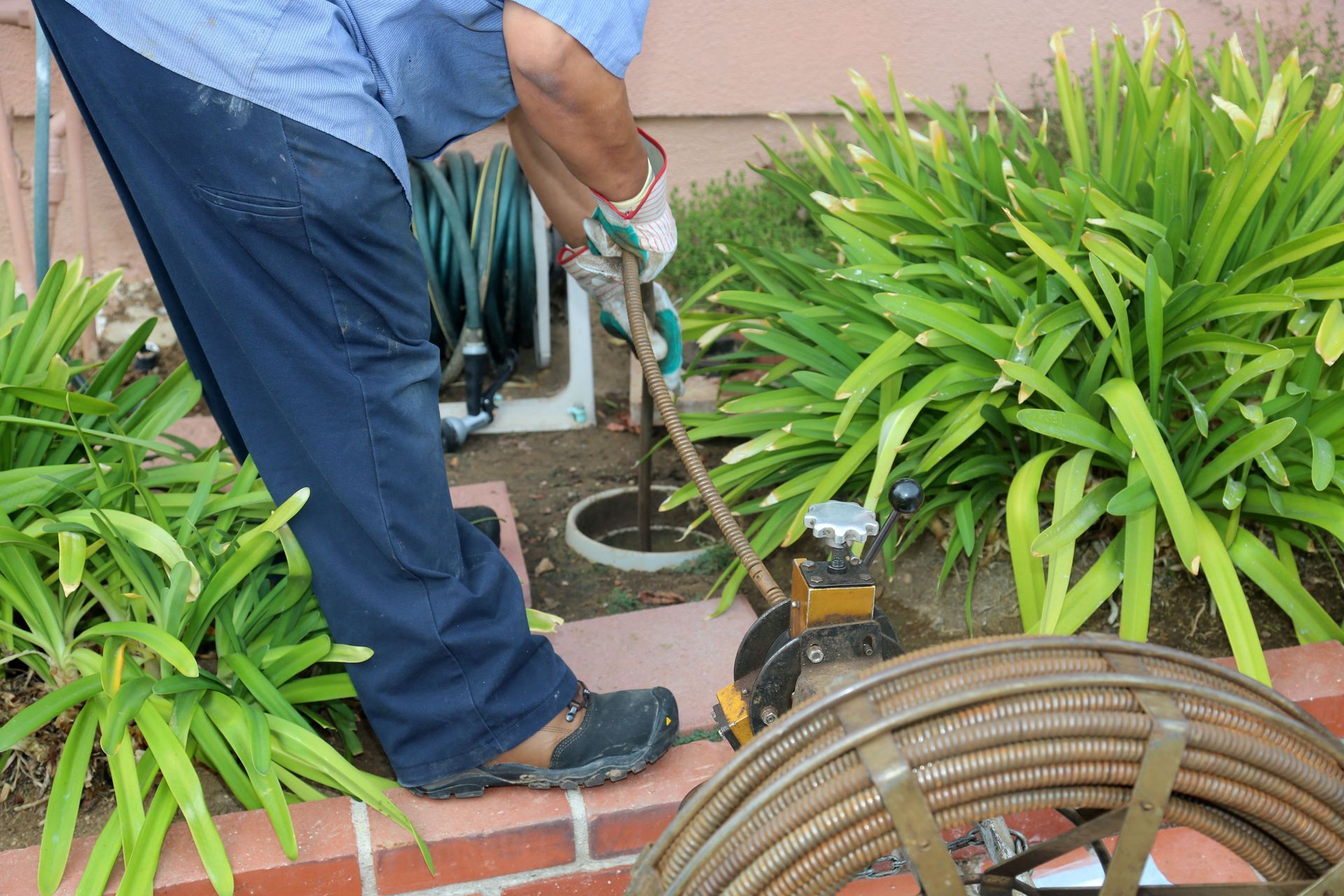
One of the first indicators that your setup is struggling is slow drainage throughout your entire home. A single slow sink might just be a localized clog in one specific pipe. However, if your toilets, showers, and sinks are all draining sluggishly at the same time, it is a strong indication that the main tank is reaching its maximum capacity. When the tank is full, wastewater has nowhere to go, causing a backup in the main lines leading back into your house.
Detecting Unpleasant Odors Indoors and Outdoors
Your wastewater setup is designed to safely contain foul odors. If you start noticing the distinct smell of raw sewage in your yard, around your drain field, or creeping up from the drains inside your home, you need to act immediately. Strong odors are a clear sign that toxic sewer gases are escaping, which usually happens when the tank is overly full, a vent is blocked, or an underground pipe is broken.
Spotting Pooling Water or Excessively Lush Grass
Take a periodic walk over your drain field to inspect the ground. If you notice pooling water, muddy patches, or spongy ground even without any recent rain, your drain field may be actively failing. When the subterranean pipes clog with solid waste or the soil becomes over-saturated, effluent forces its way to the surface. Similarly, if patches of grass over the drain field are significantly greener, thicker, and faster-growing than the rest of your lawn, it means the grass is absorbing excess fertilizer from escaping wastewater. In this context, a lush green lawn is a major red flag that you require urgent septic system service.
Prioritizing Routine Preventative Maintenance
Many homeowners make the mistake of waiting until they experience a severe backup or a flooded yard before they call for septic system service. This reactive approach to home maintenance is incredibly stressful and highly expensive. Replacing a ruined drain field or excavating a cracked tank can easily cost tens of thousands of dollars, completely disrupting your landscaping and your daily life.
Preventative maintenance is the absolute key to extending the lifespan of your wastewater infrastructure. Just like your vehicle requires regular oil changes to keep the engine running smoothly, your underground tank requires routine pumping to remove the inevitable buildup of indigestible solids.
How often should this maintenance be done? The frequency depends on several unique factors, including your total tank size, your household size, and your daily wastewater volume. However, trusted industry standards provide a very clear baseline for homeowners to follow. According to BobVila.com, septic tanks should be inspected and pumped every three to five years.
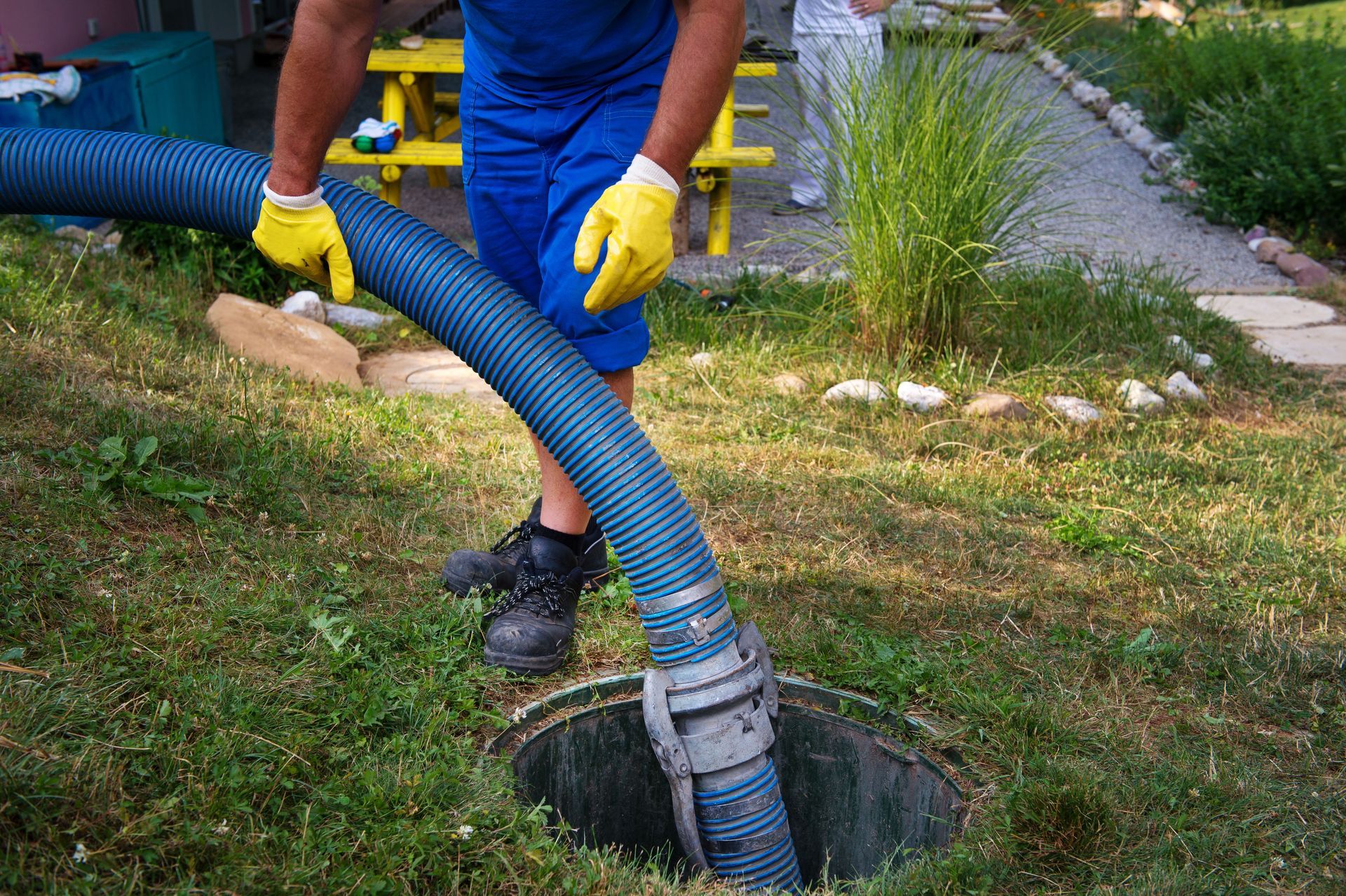
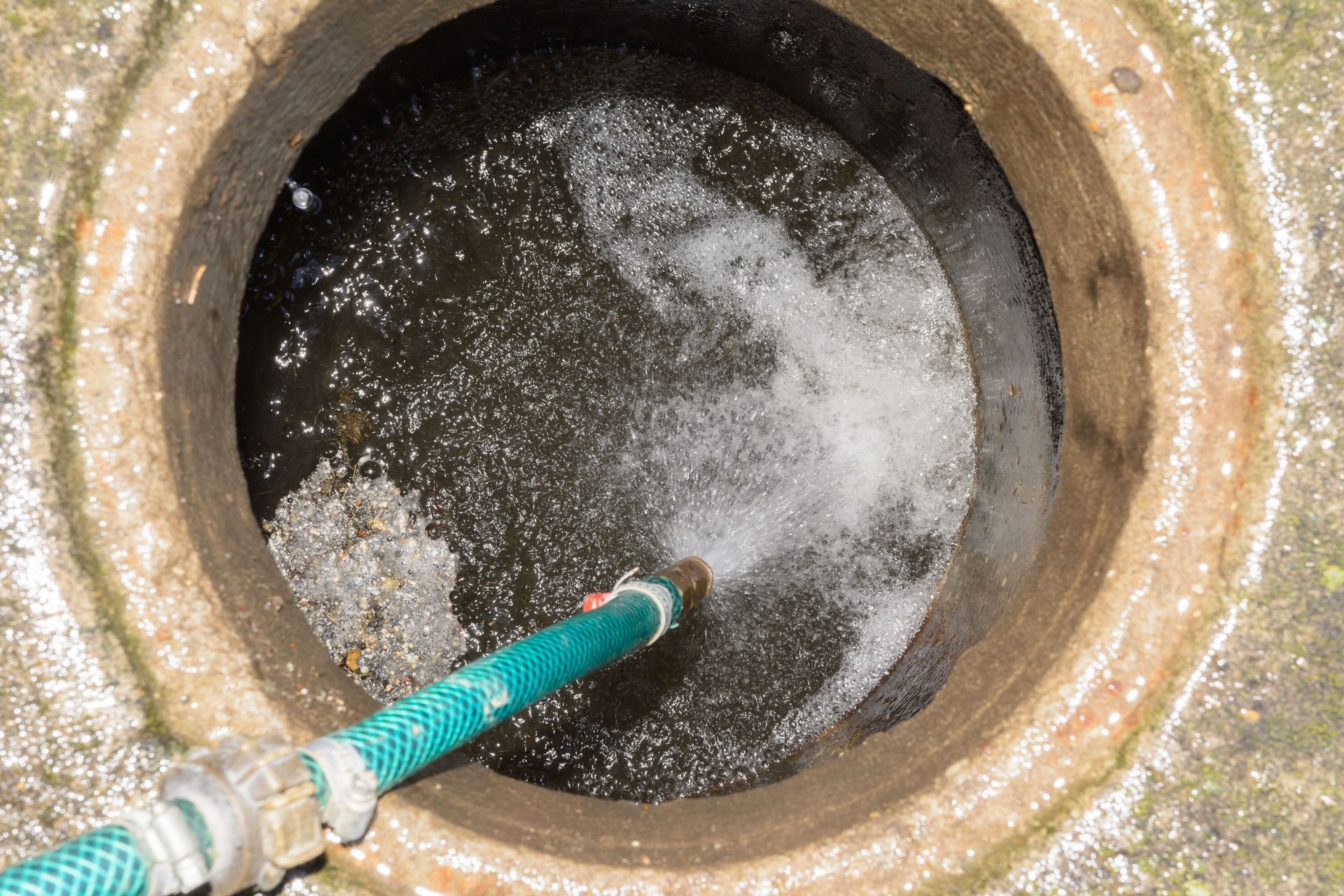
Adhering to this recommended schedule ensures that the sludge and scum layers never grow large enough to spill over into the delicate drain field. During a routine visit, a qualified technician will pump out the accumulated waste, inspect the interior of the tank for cracks, check the baffles, and ensure all mechanical components are in good working order.
Adopting Everyday Habits to Protect Your Infrastructure
While scheduling routine septic system service is essential for long-term function, the way you treat your plumbing on a daily basis plays a monumental role in the longevity of the setup. Educating your household on proper flushing habits and the importance of water conservation will drastically reduce the daily strain on your tank.
- Mind your flushing: The only things that should ever be flushed down a toilet are human waste and toilet paper. Items like flushable wipes (which rarely break down), paper towels, dental floss, and feminine hygiene products rapidly add to the solid waste layer and cause severe, stubborn clogs.
- Keep grease out of the sink: In the kitchen, completely avoid pouring fats, oils, and grease down the drain. These cooking byproducts solidify as they cool and aggressively add to the scum layer inside the tank.
- Limit garbage disposal use: Using a disposal significantly increases the amount of solid organic matter entering the tank, forcing you to pump it much more frequently.
- Conserve water: Your tank can only process so much water at any given time. If you do multiple loads of laundry, take excessively long showers, and run the dishwasher simultaneously, you risk flushing wastewater through the tank too quickly. Spreading out your heavy water usage gives the natural bacteria time to work properly.
When it comes time to schedule your maintenance or address an unexpected emergency, you need a partner you can completely trust. Wastewater management is a highly specialized field requiring extensive training, specific heavy equipment, and a deep understanding of local environmental regulations.
At Bay State Sewage Disposal, LLC. Environmental Services Company, we pride ourselves on delivering prompt, professional, and thorough solutions to our local community. Whether you are due for your routine pumping or experiencing a full-blown plumbing emergency in the middle of the night, our expert technicians are equipped to diagnose the problem and provide effective, long-lasting solutions. Contact us today to schedule your comprehensive septic system service.







Share On: